Guide to Lab-grown Diamonds

Guide to Lab-grown Diamonds

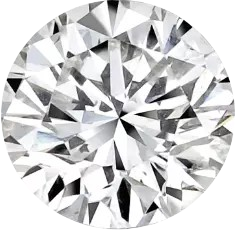
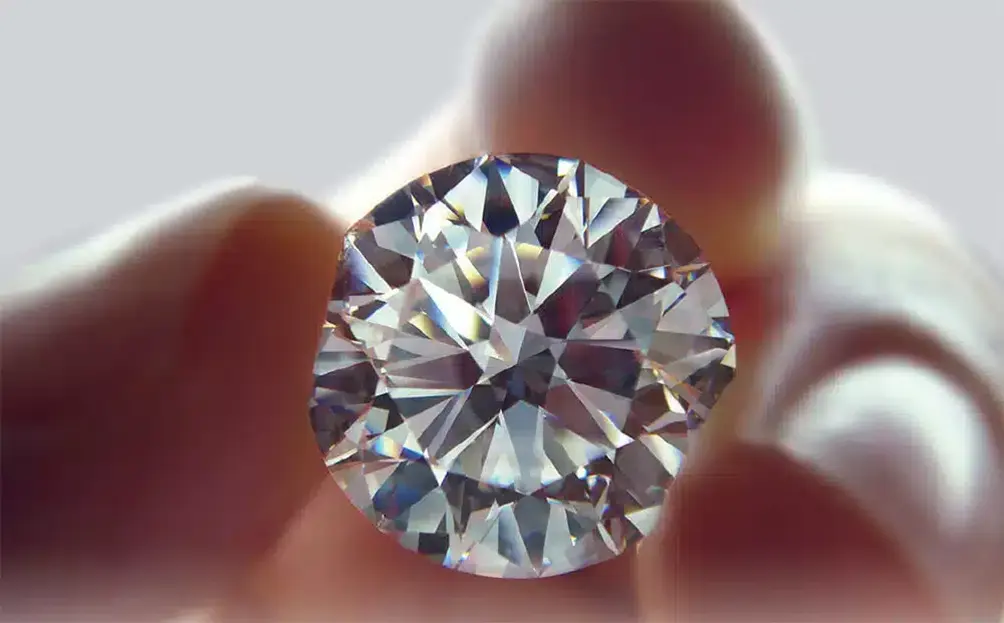
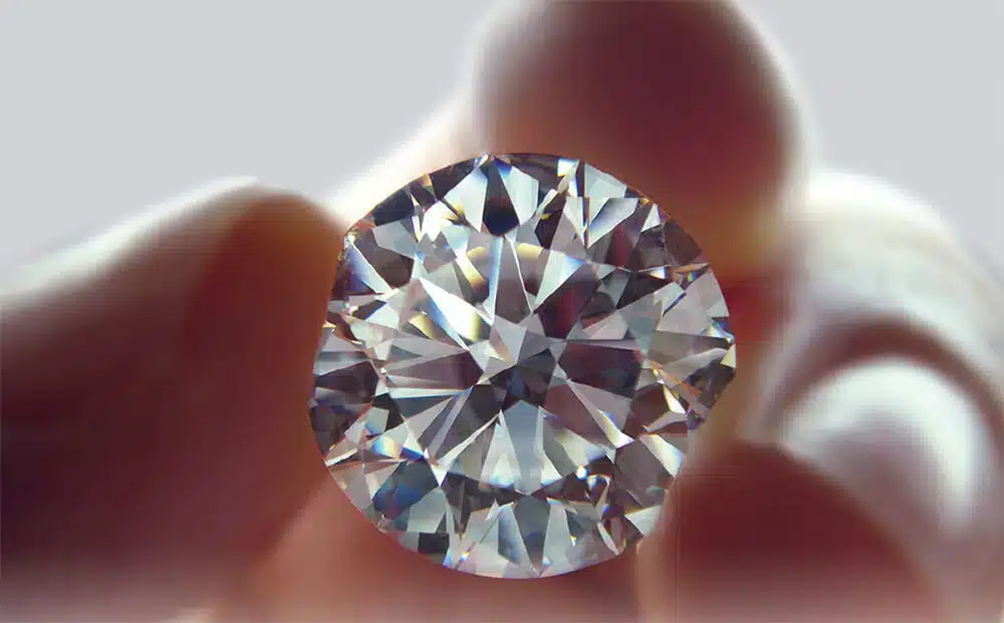
Lab-grown diamonds are diamonds produced artificially in a laboratory environment rather than mined from the earth. These diamonds offer the same characteristics as natural diamonds, but are created in a human-controlled process. This comprehensive guide will provide detailed information about lab-grown diamonds, including their characteristics, manufacturing process, advantages and disadvantages compared to natural diamonds, as well as other important information to consider.

lab-grown diamonds

Lab-grown diamonds are known for the following characteristics:

  1. 1. Chemical composition: Lab-grown diamonds are composed exclusively of crystallized carbon, just like natural diamonds.

  2. 3. Crystalline structure: They have the same crystalline structure as natural diamonds, with an arrangement of carbon atoms in a cubic crystalline network.

  3. 3. Hardness: They are extremely hard and have a hardness of 10 on the Mohs scale, the highest possible. This makes them as durable as natural diamonds.

  4. 4. Color:May vary from clear to yellow, brown, blue and other colors, depending on manufacturing processes and impurities present

  5. 5. Clarity: There may be more or less inclusions exactly like natural diamonds.

  6. 6. Cutting and Polishing: They can be cut and polished as precisely as natural diamonds, creating facets that reflect light equally.

Lab-grown diamonds can be produced through two main processes: HPHT (High Pressure High Temperature) and CVD (Chemical Vapor Deposition). Both processes involve creating controlled conditions to encourage the growth of diamonds, but differ in the method used. Below is a detailed description of both processes:

HPHT (High Pressure High Temperature)

HPHT Diamonds

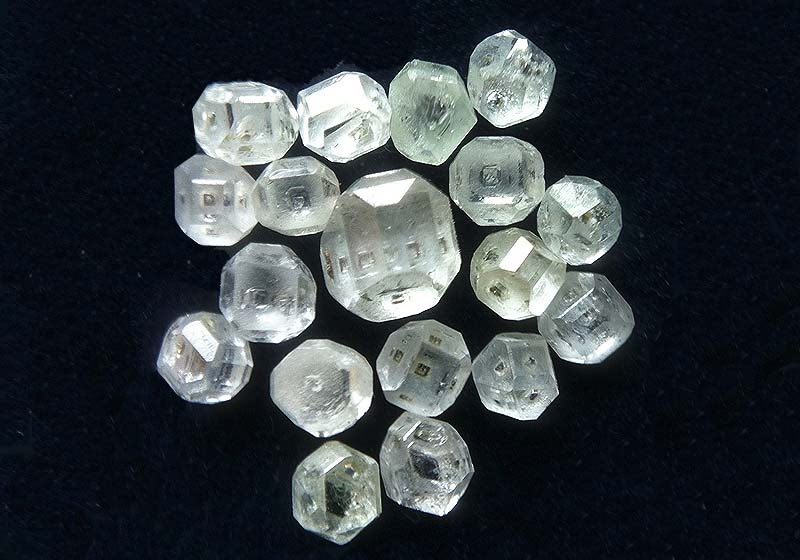
In the HPHT process, high pressures and temperatures are used to create ideal conditions for diamond growth. The carbon is placed in a pressure chamber together with a metal catalyst, such as nickel, and is then subjected to extremely high pressures, similar to those found in the Earth’s mantle. High temperatures and pressures allow carbon to crystallize, forming diamonds. Next, the rough diamond crystals are taken out of the pressure chamber and can be cut and polished to make them suitable for use in jewelry or other applications.

CVD (Chemical Vapor Deposition)

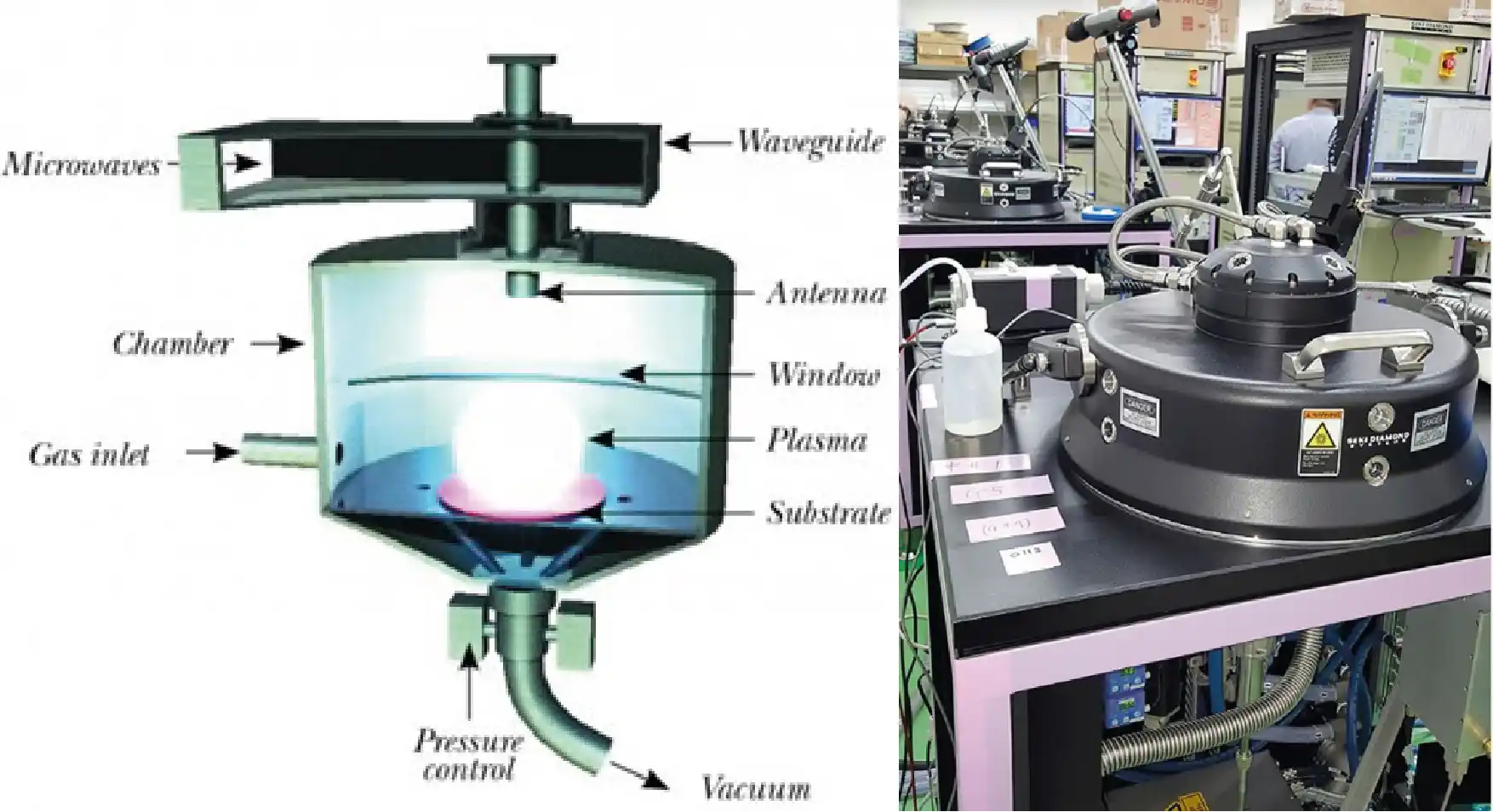
lab-grown diamonds cvd

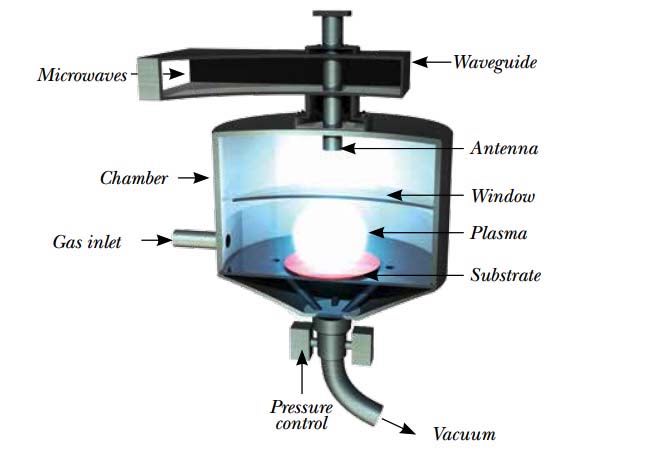
In the CVD process, a gas phase is used to deposit carbon onto a substrate, which can be a natural diamond or another material such as silicon. A carbon-containing gas, such as methane, is introduced into a reaction chamber and is ionized to form plasma. The ionized carbon then deposits onto the substrate, creating a diamond layer. This process can be controlled to deposit thin layers of carbon on top of each other, allowing diamonds to grow gradually. Once growth is complete, the diamond can be removed from the reaction chamber and processed as needed.

In both processes, high-quality diamonds can be obtained with a wide range of applications, ranging from gem-quality crystals used in jewelry to industrial diamonds. The choice between HPHT and CVD often depends on the specific needs of the final product and the preferences of the manufacturer.

ADVANTAGE associated with lab-grown diamonds:

the ADVANTAGE of lab-grown diamonds
  1. Environmental Sustainability: Not requiring mining, so lab-grown diamonds do not contribute to the environmental destruction associated with mining natural diamonds.

  2. Ethics: Eliminate problems associated with the sourcing of natural diamonds, such as child labor and armed conflict.

  3. Price: Because lab-grown diamonds can be produced on a large scale, they are not as rare as natural gems. This difference in rarity is reflected in the price, making lab diamonds significantly more accessible than natural ones.

  4. 4. Controlled Quality: Lab-grown diamonds are produced in controlled environments, which allows for greater control over the quality and clarity of the diamond.

  5. 5. Custom Choice: Since lab-grown diamonds can be produced on demand, there are more options available to customize the diamond’s characteristics as per customer preferences.

DISADVANTAGES of Lab Grown Diamonds

DISADVANTAGES of Lab Grown Diamonds

However, there are also some disadvantages associated with lab-grown diamonds:

  1. 1. Perception of Value: Some people believe that lab-grown diamonds do not have the same value as natural diamonds, due to their artificial origin.

  2. 2. Prestige: Some buyers may be attracted to the rarity and uniqueness of natural diamonds, considering them a symbol of social status.

  3. 3. Colors and Inclusions: Some lab-grown diamonds may have colors and inclusions that are different from those of natural diamonds, which could affect their aesthetic appeal.

In conclusion, lab-grown diamonds offer a valid alternative to earth-mined diamonds, with numerous advantages in terms of sustainability, ethics, price and controlled quality. However, it is important to also consider the disadvantages and make an informed choice based on your preferences and priorities. With a growing demand for sustainable and ethical alternatives, lab-grown diamonds are becoming increasingly popular on the jewelry market.

Why does Bon Gioielli sell Lab Grown?

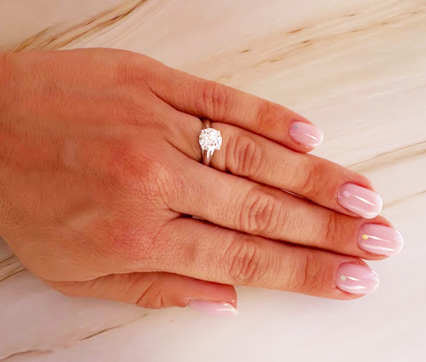
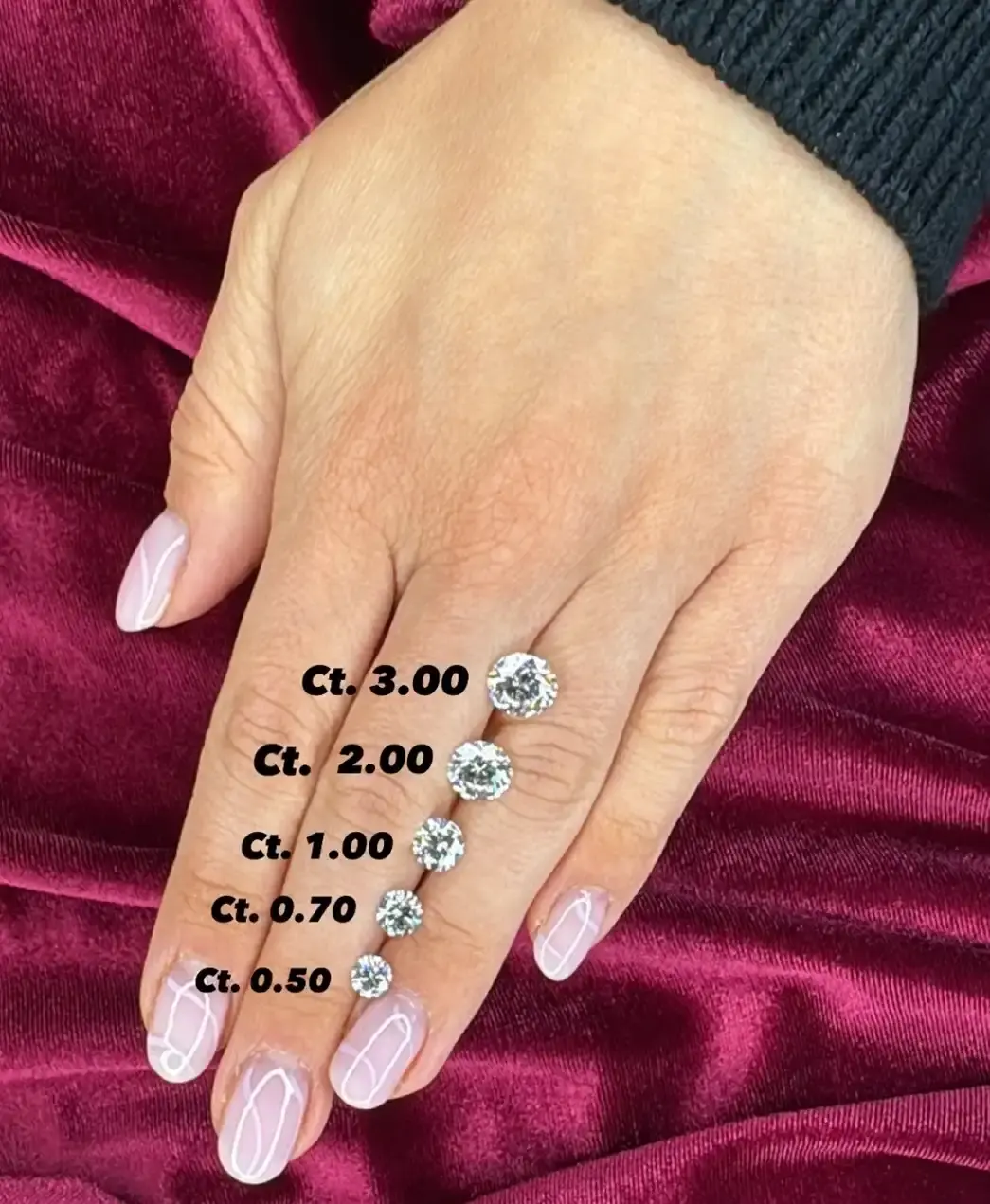
Consider the Proportion of the Hand

We believe that the future represents our most precious luxury.
We firmly believe in nature conservation.
We believe that human wisdom leads to wonderful innovations.
We believe in the power of collaboration.
We believe in boldness and embracing an enterprising future.
Our mission is to embrace the optimism and possibilities offered by sustainably created diamonds, allowing everyone to appreciate them without guilt.
We fervently dream of a world where the absence of mining is a tangible reality, where the beauty of diamonds is not tainted by negative environmental impacts.
This dream encourages us to live with passion and dedication, to love diamonds in all their forms, knowing that our choice is ethical and responsible.

Five Tips for Finding a 1 Carat Natural Diamond in Your Budget

Natural Diamonds Engagement Rings

Five Tips for Finding a 1Carat Natural Diamond in Your Budget: Don’t know how? We’ll help you! We’ll help you!

Size or Beauty? Choose the perfect diamond for you!

Many want the biggest diamond possible, but at what cost? Sacrifice quality and beauty for an extra carat? Fortunately, times have changed!

Today, diamonds uniqueare increasingly appreciated: antique cuts, warm shades, unusual shapes. Stones with character, personality and individuality.

Don’t get us wrong, a D-IF diamond is still valuable, but for many it is inaccessible. People initially only wanted perfect diamonds, while today they want the beauty of nature.

In the Bon Gioielli Team we are always attentive to the latest trends, in Italy lhe average natural diamond engagement ring size is just over half a carat, but more and more people want larger stones.

If you also think that a 1 carat natural diamond is out of your price range, stay with us because we have asked the experts for advice on how to find a beautiful stone without spending a fortune. Let’s begin!

1. Don’t get stuck on the 4Cs

Forget the 4Cs! The true beauty of a diamond lies in its personal charm. Start your search by exploring a wide range of stones and let your instincts guide you. What wins you over? Which diamond goes perfectly with your style and skin?
Many believe they have to choose a specific color and clarity, based solely on the 4Cs, but it often happens that they try diamonds with slightly warmer shades and often fall in love with them.

There are gorgeous SI (slightly included) diamonds with small blemishes on the side, hidden by the setting. These represent great value, with 1-carat rings starting from around €3,000.

The message is clear: don’t let the 4Cs limit you! Find the diamond that reflects your personality and tastes.
Once you have chosen your diamond, don’t forget to request the certificate!

2. Warmer colored diamonds can be beautiful

Some customers love diamonds come on warm colors, like yellow and champagne brown that shine beautifully onyellow or rose gold. The diamonds very white they are not for everyone, it’s a matter oftaste!

High-end designers and jewelers choosewarm whites, shades of yellow and champagne colourfor their creations.

Unique diamonds, with personality and character.

Choose your diamond: classic white orenveloping warmth? The important thing is that it is a jewel that reflects yours style.

3. Prioritize the cut or shape of the diamond

Hide imperfections, enhance beauty!

Brilliant, radiant or princess cut diamonds? All 3 are excellent choices for hiding small inclusions. On the contrary, Asscher emerald cuts, with fewer facets, tend to reveal them more.

An optimal cut not only camouflages defects, but (in addition to shine) sublimates the color of the diamond. Perfection is not necessary to own a gemstone!

4. Ask about the size of the diamond

It’s not all about carat weight: two 1-carat round brilliant-cut diamonds can look very different; one might be flatter and wider, while the other deeper. You can get a 1 carat diamond that actually looks like a 1.50 carat diamond. Cuts with a larger diameter and shallower depth cover a larger portion of the finger and give the illusion of a diamond that is much heavier than reality.

Shoppers looking for diamonds that appear larger should opt for elongated oval, pear, and marquise shapes, which appear larger. However, some people are reluctant to overdo it. “Customers say, ‘I want a substantial size, but not so big that people think it’s lab-grown.

5. Consider antique diamonds

Antique diamonds are not only fascinating, but they also represent an excellent investment Old European and old mine, with their generous facets, tend to appearwhitercompared to modern diamonds of the same color classification.

Don’t let the certified color fool you! An antique diamond rated J, K or I can shine beautifully, especially when set in a yellow gold ring.

Additionally, antique diamonds give off awarmth and romanceunique, irresistible for many.

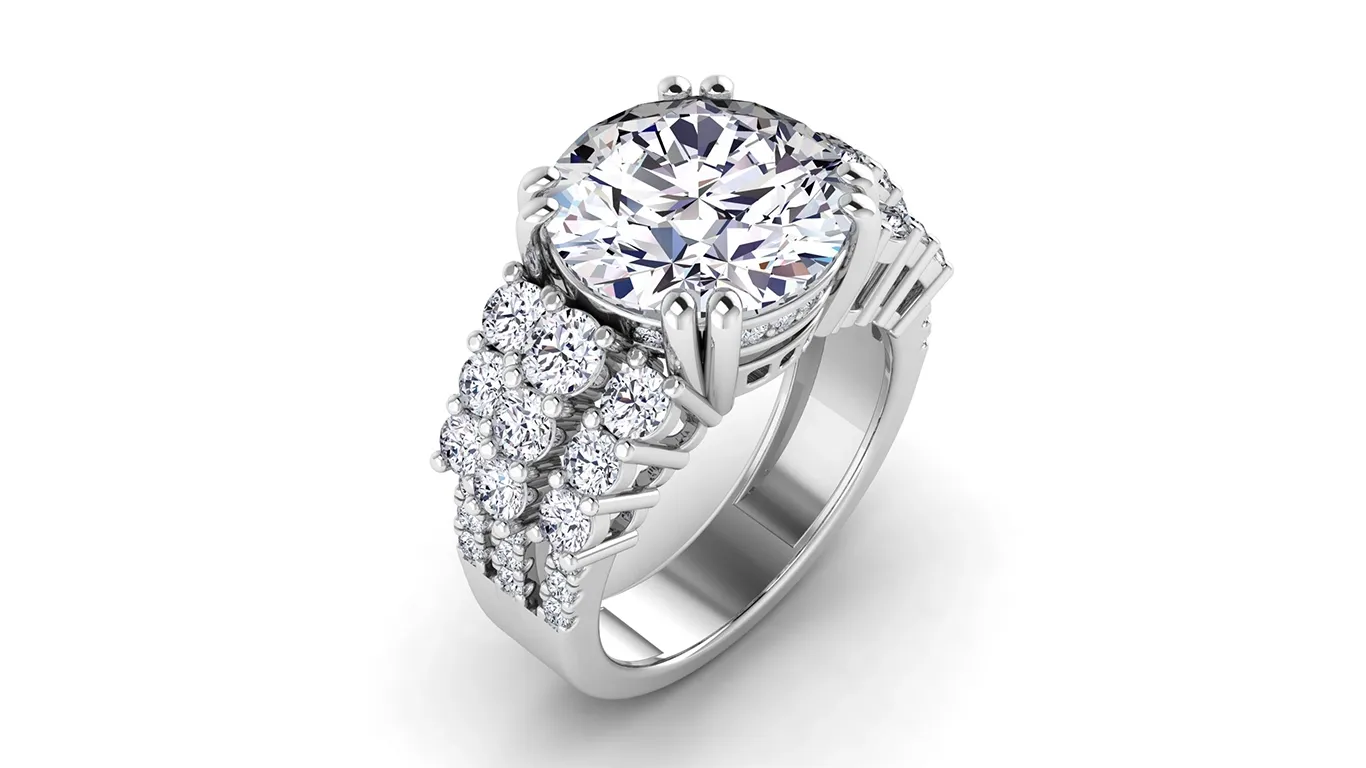
Diamond Engagement Ring

Thanks to a bit of creativity and the right advice, you can find the perfect stone for you, without going over your budget. It has never been so simple.

Bon Gioielli: where you can find more than just jewels, useful information for your purchases and a trusted gemologist who looks out for YOUR interests!

Discover the Paraiba Tourmaline with us

Paraiba Tourmaline

History, Properties and Beauty

The Paraiba tourmaline is one of the rarest and most fascinating gems in the world. Its vibrant blue-green colors and unique luminosity have captured the attention of jewelers and collectors since its discovery. In this article, we will explore the history of Paraiba tourmaline, its extraordinary properties, and what makes it one of the most desired gemstones.

The History of Paraiba Tourmaline

Paraiba tourmaline takes its name from the state of Paraíba, Brazil, where it was first discovered in 1989 by a Brazilian miner named Heitor Dimas Barbosa. Barbosa had spent years searching for this unique gem, convinced that there was something special in the hills of Paraíba. His determination was rewarded when he discovered the first Paraiba tourmaline, characterized by a never-before-seen neon blue color. This discovery revolutionized the gem market. The combination of rarity and beauty meant that Paraiba tourmaline quickly became one of the most sought after stones. In subsequent years, other deposits of Paraiba tourmaline were found in Nigeria and Mozambique, but the Brazilian variety remains the most prized and expensive.

The Properties of Paraiba Tourmaline

Color

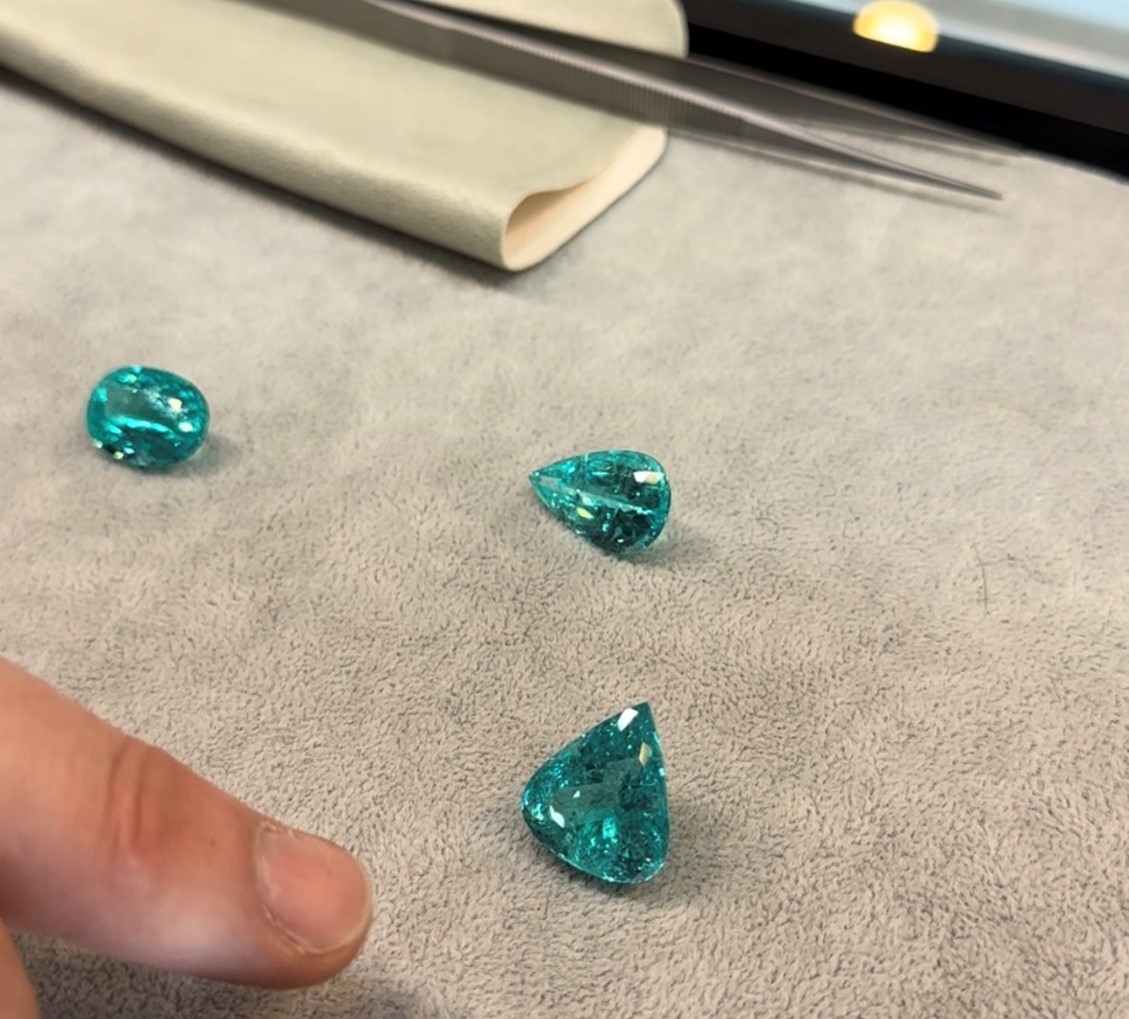
Color is undoubtedly the most distinctive feature of Paraiba tourmaline. The tones range from electric blue to aqua green, with an intense brightness that seems to shine from within the stone itself, but the most beautiful color in our opinion is turquoise. This unique color is due to the presence of traces of copper and, in some cases, manganese.

Brightness and Transparency

Paraiba Tourmaline is known for its extraordinary brightness, making it almost phosphorescent under light. This effect is due to its particular chemical composition and crystalline structure, which allow light to reflect and refract in ways that few other gems can match.

Hardness and Durability

The stone boasts a hardness of 7-7.5 on the Mohs scale, Paraiba tourmaline is durable enough to be used in everyday jewelry. However, like all precious gemstones, it requires care to avoid scratches and damage.

The Beauty of Paraiba Tourmaline

Paraiba tourmaline is celebrated for its hypnotic beauty. Its vibrant colors and brightness make it a perfect gemstone for exclusive and high-class jewelry. Necklaces, rings and earrings adorned with Paraiba tourmalines are symbols of elegance and sophistication, often associated with celebrities and special occasions.

Each piece of Paraiba tourmaline jewelry is unique, as color shades can vary greatly even within the same stone. This makes each jewel an unrepeatable work of art, capable of capturing light and attention in an incomparable way.

Do you know what the most famous Paraiba in the world is?

The Ethereal Carolina Divine Paraiba

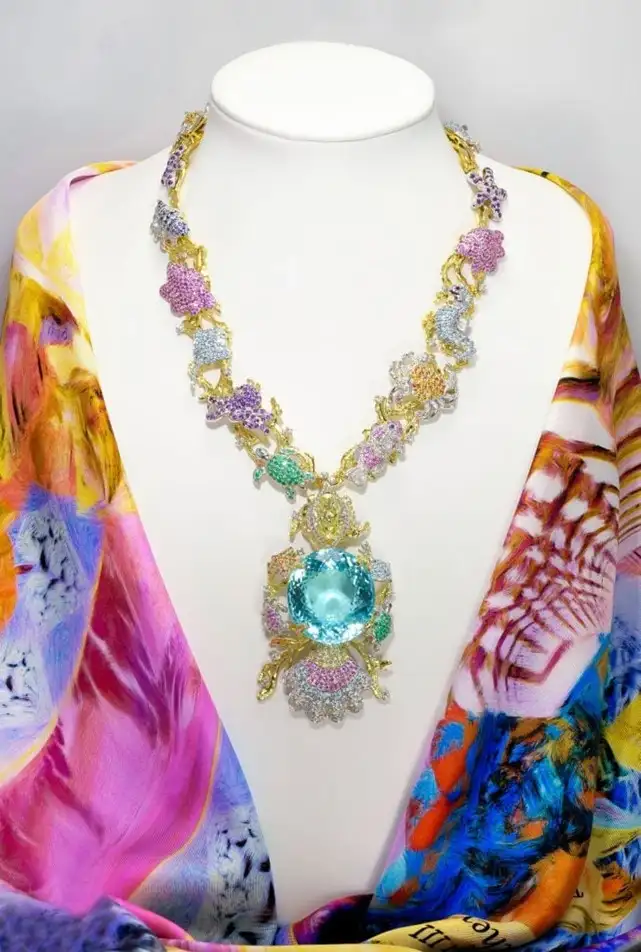
The legendary Ethereal Carolina Divine Paraiba, a neon blue Paraiba tourmaline, is the central focus of the extraordinary “Paraiba Star of the Ocean Jewels” necklace, created by Canadian jeweler Moneca Kauffman. This necklace belongs to billionaire Vincent Boucher. The stone is the largest Paraiba tourmaline ever discovered, weighing 191.87 carats, and holds the Guinness World Record for the largest cut Paraiba tourmaline in the world.

Paraiba Star of the Ocean Jewels Necklace

Originally discovered in 1987 in the Batalha mine in Paraiba, Brazil, the Paraiba tourmaline is extremely rare and coveted. Vincent Boucher, founder and CEO of Billionaire Business Enterprises, Inc., purchased this precious gem in May 2009 and included it in his company’s Planetary Gemstone Collection, hoping it will become the premier collection of colored gemstones in the world.

In 2013, Boucher commissioned Moneca Kauffman to design a necklace that highlighted the beauty of the neon blue paraiba. After six months of work with master jeweler Patrick Gravelle, the necklace was born, adorned with 1,706 brightly colored gemstones, inspired by the sea and the health of the oceans. Paraiba Tourmaline represents the earth’s plants, composed of 70% Oceans. Among all the other precious gems in the necklace, the 10.73-carat yellow diamond stands out in particular, representing the sun and our inner light, illuminated by the beauty of creation.

The necklace was officially unveiled on October 18, 2013, with initial plans to auction it in 2014. However, the auction was canceled and, to this day, the necklace remains the property of Vincent Boucher.

The combination of rarity, beauty and symbolism makes the Ethereal Carolina Divine Paraiba and the “Paraiba Star of the Ocean Jewels” necklace among the most extraordinary treasures in the world of jewelry.

The Paraiba tourmaline is a gem that enchants and fascinates anyone lucky enough to admire it. Its fascinating history, its extraordinary properties and its incomparable beauty make it one of the most sought-after gemstones in the world. If you are a gem enthusiast or simply appreciate the finer things in life, the Paraiba tourmaline is a treasure worth discovering and admiring.

Continue to discover the world of gems with Us, in Bon style: Brilliant, Original and New!

How to Choose the Diamond Carat for Your Engagement Ring

7 + 1 Tips on How to Choose the Carat of Diamond for Your Engagement Ring

Choosing an engagement ring is a special and significant moment in every couple’s life. Among the many decisions to be made, one of the most important is the choice of diamond carat weight. Carat not only determines the size of the diamond, but also affects the overall appearance and value of the ring. In this blog, we’ll walk you through the main factors to consider when choosing the ideal diamond carat weight, helping you make a choice that satisfies both your desires and those of your partner.

1. Understanding Carat

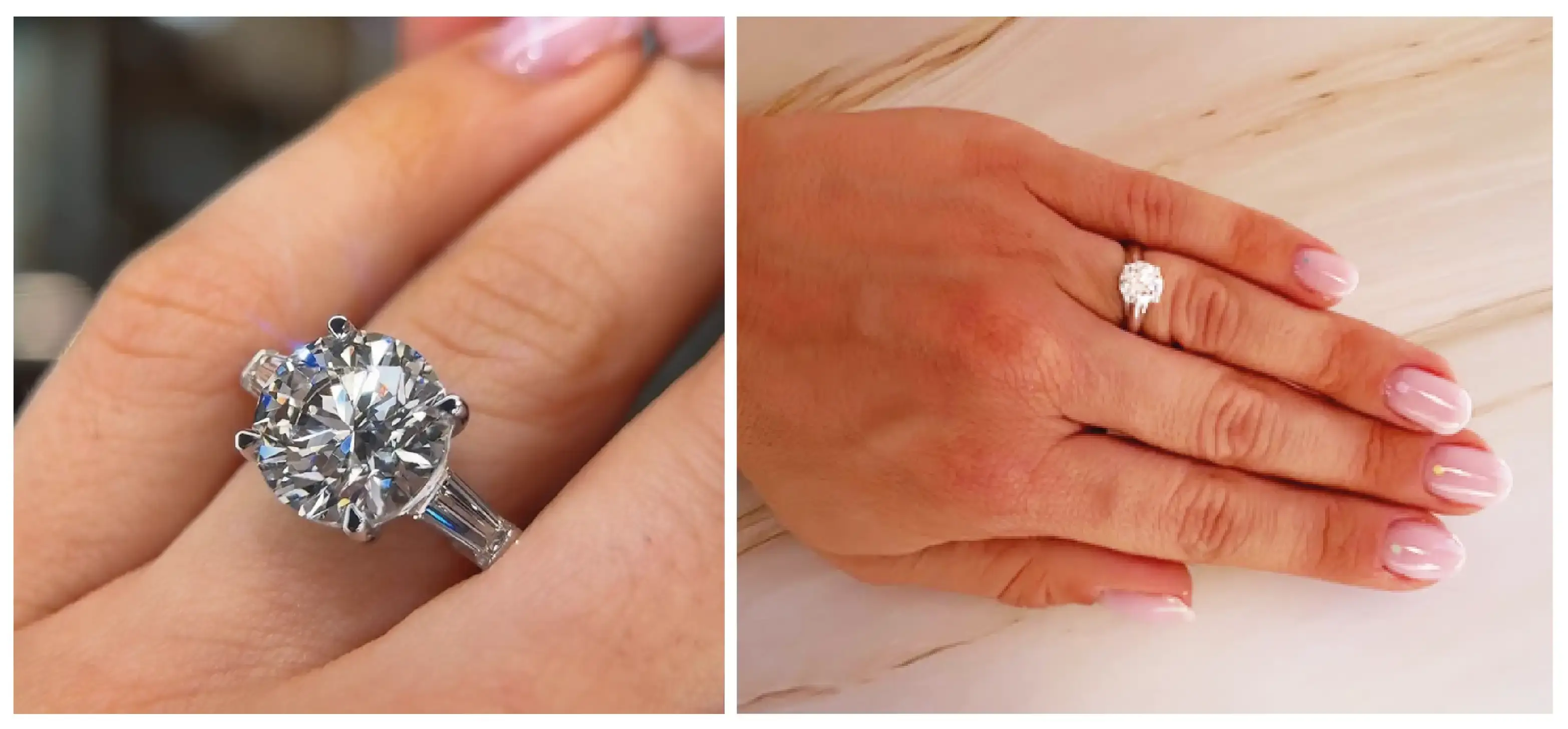
Carat (Ct) is the unit of measurement that indicates the weight of a diamond, with one carat equal to 0.2 grams. Although it is an indicator of size (diameter), carat weight is only part of the equation. The cut, shape and proportion of the diamond influence the visual perception of its size.

choosing the carat of your diamond

2. Balance the Budget

The budget is a crucial element in choosing the caliber. Higher carat diamonds tend to be significantly more expensive. It is essential to establish a realistic budget that includes both the diamond and the ring design. Bon Gioielli offers an excellent quality/price ratio, guaranteeing high quality GIA and IGI certified diamonds, both natural and laboratory, allowing you to find the perfect ring without compromises.

3. Consider Your Partner’s Preferences

Understanding your partner’s tastes and preferences is crucial. Some people prefer a larger diamond for a more impactful visual effect, while others may appreciate a smaller but higher quality stone. Look carefully at the type of jewelry your partner usually wears to get an idea of his or her preferences.

4. Evaluate the Ring Design

The design of the ring plays an important role in choosing the carat weight of the diamond. For example, a classic solitaire highlights the central stone, while a ring with diamonds set around it can enhance a lower carat central stone. Bon Gioielli’s collection includes classic solitaires, diamond-set solitaires and options with diamonds along the shank, allowing you to find the ideal combination.

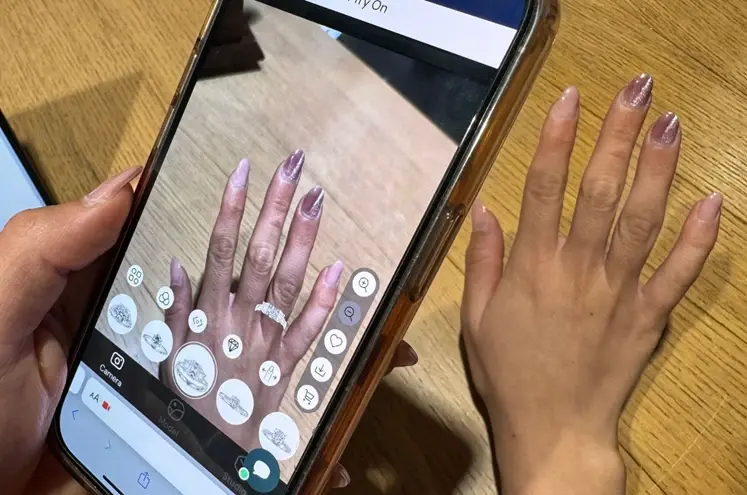
5. Use the AR Virtual Try-ON

Bon Gioielli offers an innovative virtual “Try On” service available on the mobile version of our website, which allows you to see how the diamond looks on your finger. This tool is extremely useful for viewing different diamond sizes and finding the one that best suits your partner’s preferences.

AR Virtual Try-On

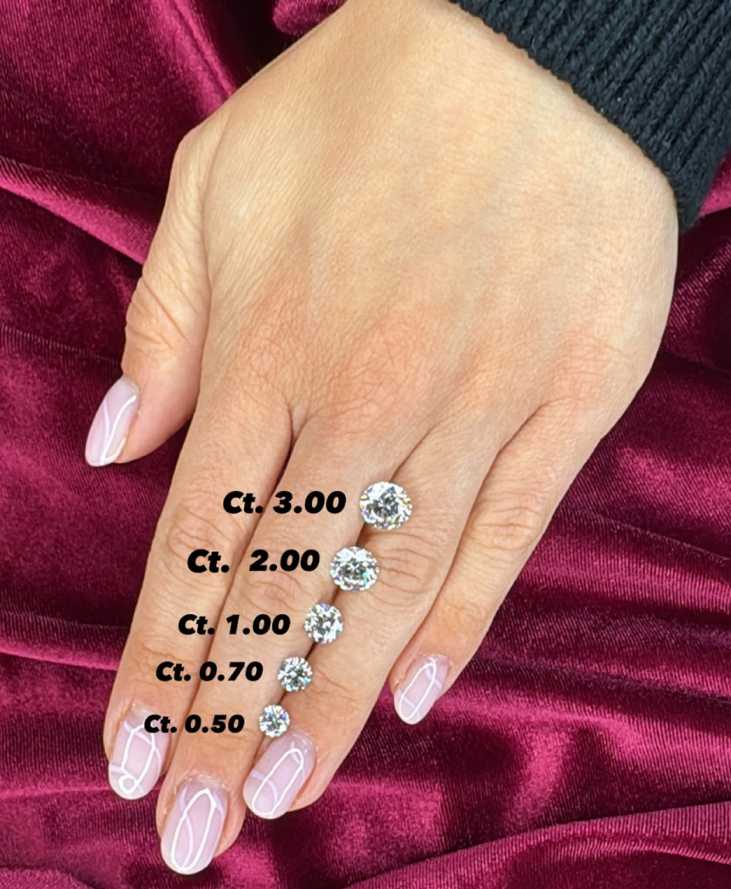
6. Consider Proportion in Hand

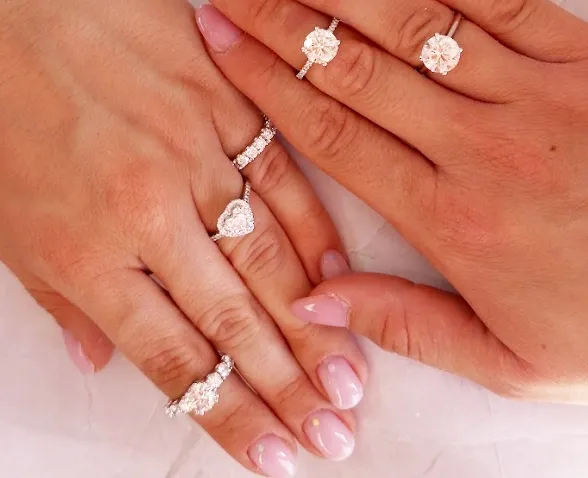
The size and shape of the recipient’s hand are factors to carefully consider. A large diamond may look disproportionate on a petite hand, while a smaller stone may not have the same visual impact on a larger hand. Take these proportions into consideration to ensure the ring is perfect.

Consider the Proportion of the Hand

7. Enhance Quality

The quality of the diamond is just as important as its carat weight. The famous 4Cs (Carat, Cut, Color, Clarity) determine the beauty and value of a diamond. A high-quality diamond with excellent cut, superior color and clarity, can shine brighter even if it is lower in carat weight. At Bon Gioielli, each diamond is selected and certified to guarantee the highest quality.

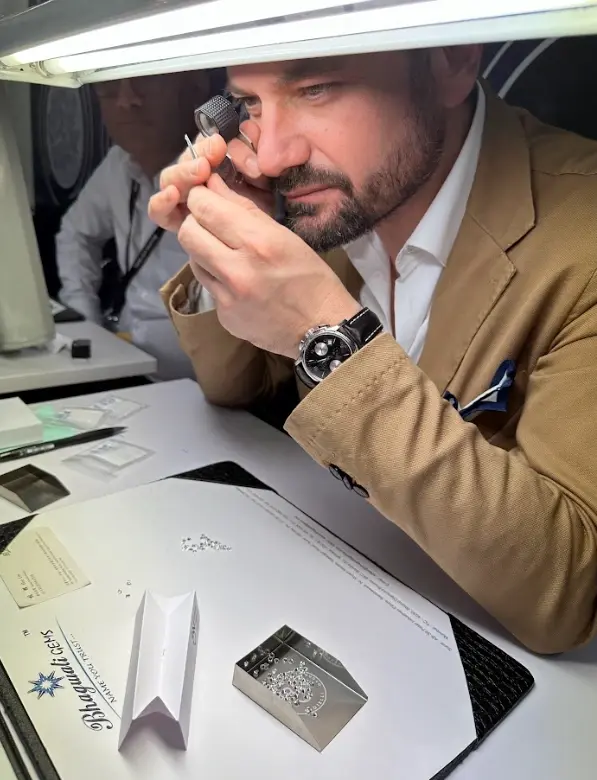
8. Professional Consulting

Expert advice can make the difference in choosing the ideal diamond. Francesco Bon, founder of Bon Gioielli and internationally renowned gemologist, offers specialized consultancy and personally supervises every phase of the creation of the rings. His experience will guide you in choosing the perfect diamond, ensuring that every detail is taken care of with the utmost attention.

Professional Consulting

Conclusion

Choosing the diamond carat weight for your engagement ring is a personal and meaningful decision that reflects your love and commitment. By carefully considering your budget, partner’s preferences, ring design, hand proportion, and diamond quality, you can make an informed and satisfying choice. Bon Gioielli is here to support you every step of the way on this journey, offering a combination of professionalism, attention to detail and passion for the art of jewellery. With our help, you will find the perfect engagement ring that will embody your everlasting love.

Natural Zircon Vs Cubic Zirconia: A Complete Guide

Natural Zircon Vs Cubic Zirconia: A Complete Guide

In the world of jewelry, the term “zircon” can often cause confusion, especially when talking about natural zircon and cubic zirconia (CZ). The two crystals share a similar name, their characteristics, origins and uses are significantly different. In this blog, we will explore the differences between natural zircon and cubic zirconia in detail, clearing up any doubts and helping you make more informed choices for your jewelry purchases.

Natural Zircon: A Treasure of Nature

Origin and Composition

Natural zircon is a mineral that occurs naturally in different parts of the world. It is composed primarily of zirconium silicate (ZrSiO4) and may contain traces of uranium, thorium and other elements. Its formation occurs in igneous and metamorphic rocks, making it a rare and precious mineral.

natural zircon

Features and Appearance

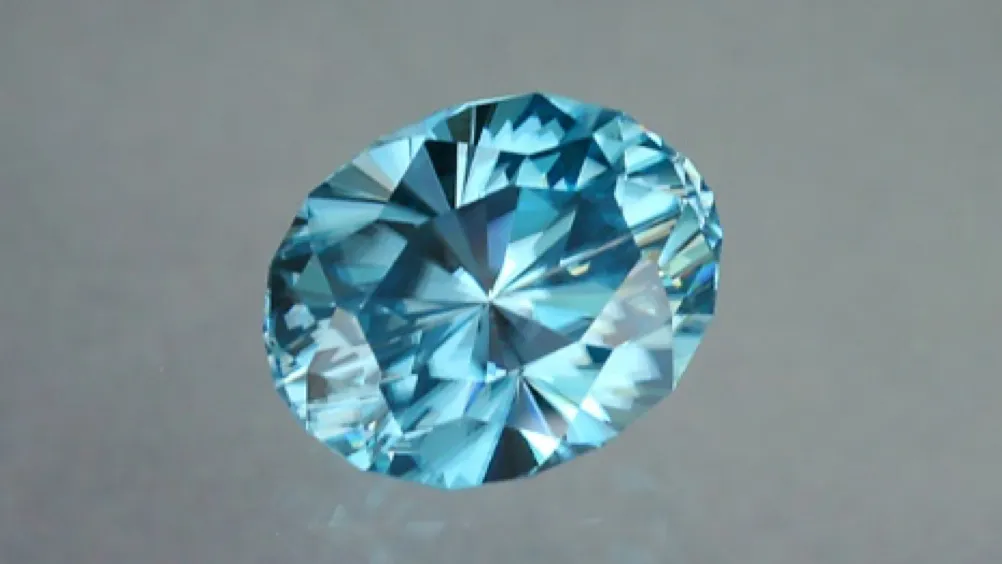
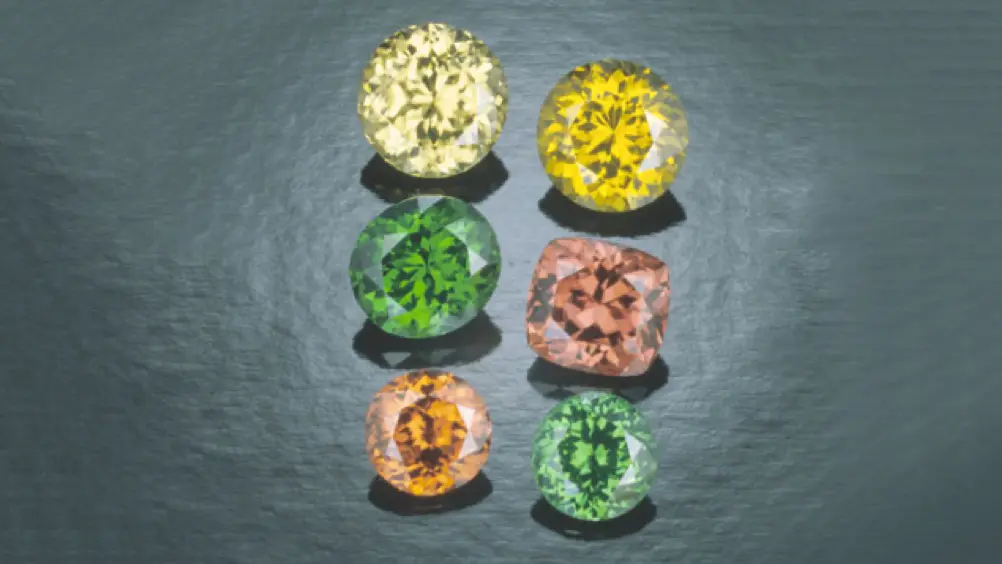
The brilliance and light dispersion of natural zircon rival that of diamond. It is found in a range of colors, including colorless, yellow, brown, red, green, and blue. Its hardness on the Mohs scale ranges from 6.5 to 7.5, making it quite durable but more prone to scratches than diamonds.

zircon coloring

Use in jewelry

Due to its brilliance and variety of colors, natural zircon is used in rings, earrings, necklaces and other jewelry pieces. Each stone is unique, which adds a special touch to the jewelry it is set in.

use of zircon in jewelry

Cubic Zirconia: The Man-Made Gemstone

Origin and Composition

Cubic zirconia, often abbreviated to CZ, is a synthetic material created in a laboratory. It is composed of zirconium oxide (ZrO2) stabilized with yttrium oxide. Its industrial production began in the 1970s and has since become one of the most popular synthetic gems in the jewelry world.

Use in jewelry

Due to its beauty and lower cost than diamonds, cubic zirconia is widely used in engagement rings, earrings, bracelets and other jewelry. It is especially popular for fashion jewelry and for those who want a diamond-like appearance without the associated high cost.

1. Origin:

– Natural Zircon: Natural mineral extracted in nature
– Cubic Zirconia: Synthetic material produced in the laboratory.

2. Composition:

– Natural Zircon: Zirconium silicate (ZrSiO4).
– Cubic Zirconia: Zirconium oxide (ZrO2).

3. Brillance:

– Natural Zircon: High light dispersion, similar to diamonds.
– Cubic Zirconia: Very brilliant, but less so than most high-quality diamonds.

4. Hardness:

– Natural Zircon: 6.5 – 7.5 on the Mohs scale.
– Cubic Zirconia: Approximately 8.5 on the Mohs scale.

5. Price:

– Natural Zircon: Generally much more expensive than CZ, but less than natural diamonds.
– Cubic Zirconia: Cheaper and accessible.

Conclusion

Both natural zircon and cubic zirconia have their place in the world of jewelry, each with their own distinctive characteristics. The choice between the two depends on your personal preferences, budget and intended use of the jewelry. Natural zircon offers unique beauty and a natural origin, while cubic zirconia provides a brilliance similar to diamonds at a much lower cost and is used in the goldsmith sector as an imitation diamond.

Whatever your choice, at Bon Gioielli we are committed to offering you only the best, with stones selected and worked with the utmost care and attention to detail. Visit our website to explore our collections and discover the perfect jewel for you.

Bon Gioielli Shines at GemGenève 2024: A Journey of Elegance and Innovation

Bon Gioielli Shines at GemGenève 2024: A Journey of Elegance and Innovation

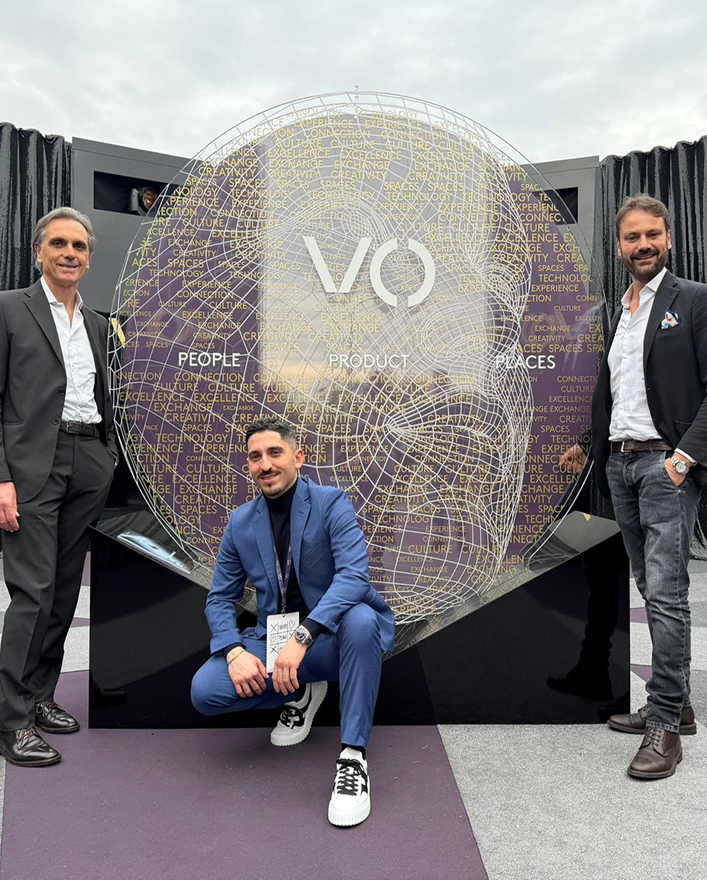
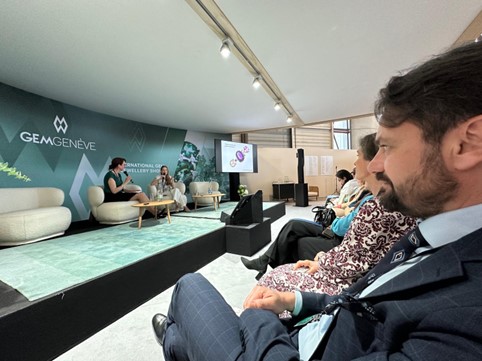
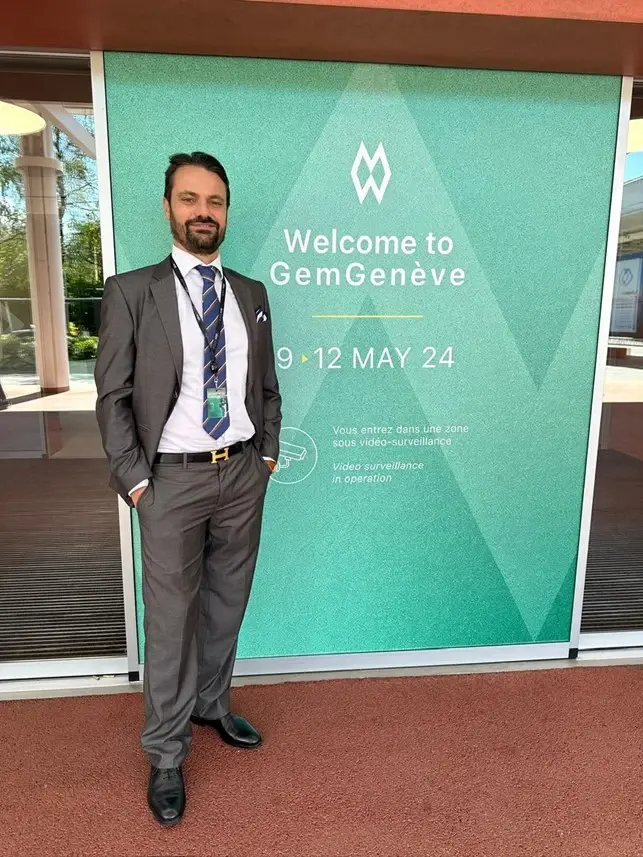
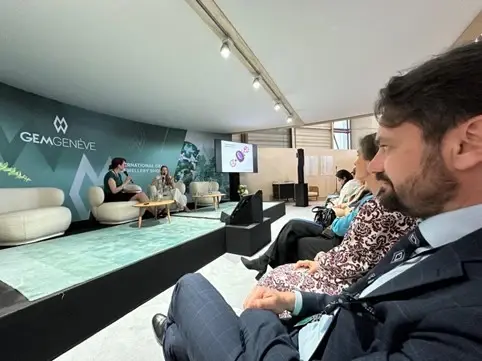
From 9 to 12 May 2024, the city of Geneva hosted one of the most prestigious events in the world of international jewelry: GemGenève. This event, known for its exclusivity and for the presence of the most important players in the sector, saw the participation of Bon Gioielli, represented by its founder, Francesco Bon.

An Event of Luxury and Innovation

GemGenève is much more than just a fair. It is a meeting point for gemologists, designers, producers and collectors from all over the world. Each year, the event stands out for excellence and innovation, showcasing the latest trends and the rarest and most precious gems. Bon Gioielli’s participation in this event not only highlights our dedication to quality, but also our commitment to remaining at the forefront of the jewelry industry.
Francesco Bon: A Gemologist of Renowned Experience

Francesco Bon, founder of Bon Gioielli, is an internationally renowned gemologist with an innate passion for precious stones. His presence at GemGenève was fundamental not only to represent our company, but also to establish new collaborations and discover the latest innovations in the field of diamonds and gems. During his visit, Francesco had the opportunity to explore new diamond processing and selection techniques, meet other industry experts and participate in exclusive conferences and workshops.

Gemologist Rome Francesco Bon GemGeneve
Gemologist GemGeneve

The Excellence of Bon Gioielli Diamonds

At GemGenève, Francesco Bon was exposed to the highest standards of quality and authenticity in the diamond industry, further strengthening Bon Gioielli’s commitment to providing only the best to our customers. Our natural diamonds, certified by both the GIA (Gemological Institute of America) and the IGI (International Gemological Institute), are selected with care to guarantee brightness and rarity standards.

A Journey of Creativity and Detail

The visit to GemGenève inspired new ideas and confirmed the importance of every step of the jewelery making process. From CAD design to wax printing, from casting to finishing, from setting to polishing and rhodium plating, every detail is essential to creating unique and extraordinary jewels. Our team of expert craftsmen and designers work tirelessly to transform every vision into reality, ensuring a final product that reflects the excellence and passion of Bon Gioielli.

A Direct and Transparent Relationship with Our Customers

One of the most important aspects of Bon Gioielli is the direct and transparent relationship that we establish with each customer. Francesco Bon brought this philosophy to GemGenève, underlining the importance of impeccable and personalized service. Our goal is to offer an unforgettable shopping experience, characterized by professionalism, attention to detail and an excellent quality/price ratio.

Packaging with Care and Love

Each jewel of Bon Gioielli is packaged with the utmost care and shipped directly to the recipient. Our participation in GemGenève has strengthened our commitment to ensuring that each customer receives not just a jewel, but a piece of art, packaged with love and passion.
Conclusion

Bon Gioielli’s participation in GemGenève 2024 was an extraordinary and enriching experience. It allowed Francesco Bon to explore new frontiers in the field of jewelry and to bring home new inspirations and knowledge. We will continue to innovate and create jewelry that not only reflects our dedication to quality, but also our passion for excellence. We are excited to share this experience with you and continue to offer you extraordinary jewelry, created with love and craftsmanship.
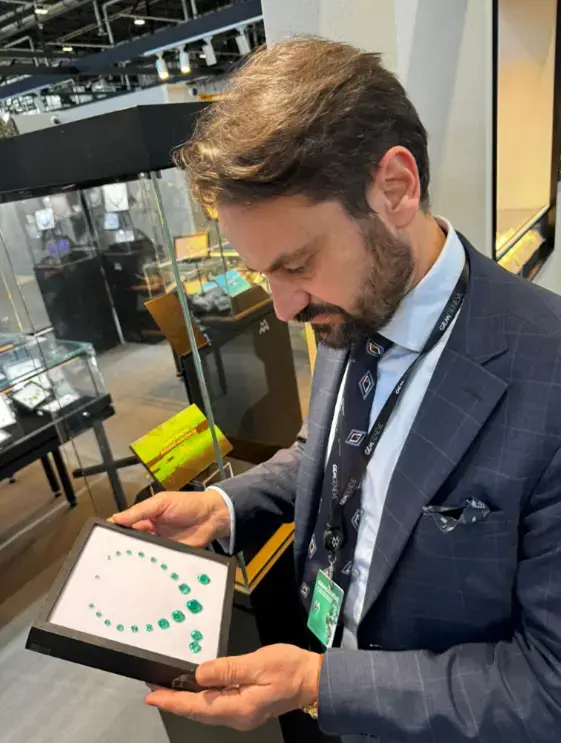
gemegeneve2024 emeralds

How do we make your Custom Diamond Engagement Ring?

How do we make your Personalized Engagement Ring?

Each ring tells a unique story. Behind every tale there is a talented storyteller, an architect who will shape dreams into glittering reality. The creative genius is Francesco Bon, an expert gemologist and jewellery architect.
Francesco is more than just a gem expert, he is a visionary who transforms his clients’ wishes into beautiful wearable works of art. His approach is an engaging and personalized journey, which begins with an authentic and in-depth conversation with the customer.

From the beginning, Francesco immerses himself in the world of the client’s dreams and aspirations, listening carefully to their needs and desires. It’s a process driven by his mastery of gemology and his ability to create breathtaking jewels.

From choosing the gemstones to designing the ring, every step of the creation process is imbued with creativity and expertise. And in the end, thanks to his extraordinary ability to combine gemological knowledge and architectural talent, Francesco transforms his clients’ visions into extraordinary jewels that tell stories of beauty and individuality.

custom diamond engagement ring

1. Diamond Selection

The selection of the diamond is a crucial and delicate moment, as it defines the beauty and value of the jewel. Here at Bon Gioielli, we consider it essential to listen carefully to the needs and desires of each customer. Whether it’s a diamond for yourself or your loved one, we begin this process with a deep understanding of the customer’s preferences.

First of all, we carefully research the client’s budget and preferences, which include the choice between natural and laboratory diamonds. We offer expert advice regarding diamond color and clarity, suggesting options that best suit your preferences and budget.

One of the aspects on which we do not compromise is the cut of the diamond, crucial for beauty and brilliance. We only recommend diamonds with cuts that reflect the utmost perfection.

To ensure transparency and trust, we provide gemological certificates issued by renowned institutes such as IGI and GIA. We also offer 360-degree videos that show every detail of the diamond, allowing the customer to examine it carefully.

The prices are always clear and justified, and in case the customer has any doubts or questions, we are always available to continue the research until his full satisfaction is achieved.

Once the diamond choice has been made, we enter the CAD design phase, where our experts work carefully to transform the customer’s vision into a detailed and accurate drawing. This is just the beginning of the journey towards creating a unique and unforgettable jewel from Bon Gioielli.

2. The Design

In the design phase, we pay particular attention to actively listening to the customer’s preferences, in order to propose the ideal solution that perfectly reflects their vision of a perfect ring. Furthermore, we offer a unique service: we send a ring holder to the customer’s address free of charge, which allows you to comfortably test the size of your finger at home. In case the ring is a surprise gift, the ring holder will be included in the package, to facilitate resizing.

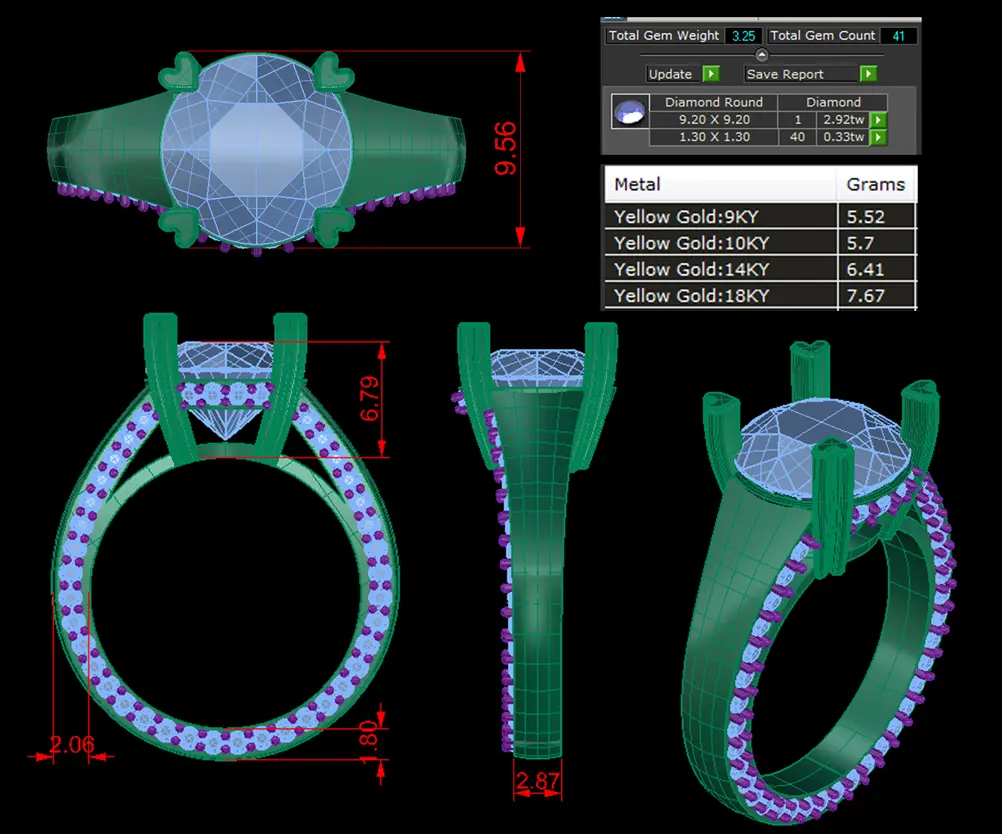
During the design phase, we discuss every detail with the customer, from the type of setting (solitaire, pavé, hallo or band) to the color of the metal. All this information is then brought to our Fonte Nuova headquarters, where our CAD technical expert, David, takes care of the design.

CAD plays a crucial role in two key aspects of the process. First, it is used to create a photo or video rendering of the final ring, including information such as the weight of the gold and the number and carat weight of the side or outline diamonds. This allows the customer to know in advance the cost of making the ring, avoiding unpleasant surprises. The customer can accurately evaluate the product and confirm his choice, having clear information on the cost before proceeding. Second, the CAD is sent to our foundry, which prints the exact wax rendering model the same day. This process guarantees maximum fidelity to the original design. The next day, casting is performed based on the wax model. Next, we move on to finishing the blank frame, to ensure every detail is perfect before proceeding to the next stage of the manufacturing process.

Diamond Engagement Ring CAD Design

3. Craftsmanship

After the rough casting, our team of specialized goldsmiths goes into action to give the setting the artisanal perfection that characterizes each of our jewels. With care and skill, they finish and polish both the inside and outside of the ring, ensuring that every detail shines with beauty. During this phase, the goldsmith Alessandro carefully checks the ring’s measurements and, if necessary, makes any corrections to ensure a perfect fit. Every detail is carefully taken care of, because we know that even the smallest detail can make the difference. Once the finishing phase is completed, the semi-finished ring is delivered to the skilled hands of our exceptional setter, Gianni. He is the creator of magic, whose task is to combine the selected stone with the desired ring. Carefully following the customer’s preferences, Gianni checks the height of the diamond and the finishing of the tips that support it, making sure to faithfully follow the rendering image. This approach ensures that the customer does not have any unpleasant surprises when receiving their jewellery. After the setting work, the ring passes to the expert hands of our cleaner. It is he who takes care of polishing the ring, giving it a final shine before its presentation to the customer. Each step of the manufacturing process is performed with care and dedication, with the aim of creating jewellery that is true masterpieces of craftsmanship and timeless beauty.

4. The Engraving

After the cleaning process, the ring goes through another customization phase in Sandro’s skilled hands. An expert engraver, Sandro adds that final touch of personalization to the already polished ring. Using precision laser techniques, he expertly engraves the patented Bon Gioielli logo, the name of the line, and the gemological appraisal number that accompanies the ring. But Sandro’s art doesn’t stop here. He will take care of engraving any customization requested by the customer, be it a special date, a name or a significant phrase. With the help of the best laser engraving machine on the market, Sandro transforms each jewel into a unique and memorable piece, which reflects the history and personality of its owner.

5. Rhodium plating:

Rhodium plating represents the last phase of the production process of our ring, a crucial moment that gives that final touch of refinement and brightness. It is a galvanic process in which rhodium is used, a rare metal with a silvery-white hue which gives the jewel an unparalleled shine. During rhodium plating, the thin layer of rhodium is applied to the surface of the ring, transforming the yellow gold into a lustrous white metal. This process not only gives the jewel an aesthetically flawless appearance, but also increases its durability over time, protecting it from oxidation and wear. Once the rhodium plating is complete, we can finally consider our ring as finished and ready to be delivered to its recipient. Every detail has been taken care of with attention and passion, from the moment of diamond selection to the final rhodium plating phase, guaranteeing a superior quality jewel that will be appreciated for generations.

This is the story of Bon Gioielli, where each jewel is the result of a unique and unforgettable story, guided by the vision and expertise of Francesco Bon, the architect of the jewel.

What are the most famous diamonds in the world?

What are the most famous diamonds in the world?

Today, we will take you on a journey to discover the most beautiful and important diamonds in the world, exploring their fascinating stories and cultural significance.

hope diamonds

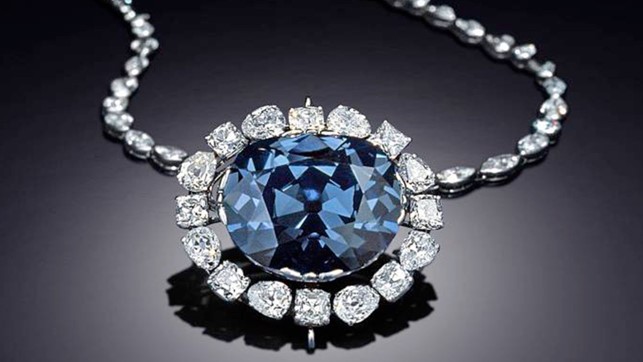
The Hope Diamond

Its history originates in the 17th century, when diamond was discovered in India, probably in the Golconda mine, famous for producing some of the most valuable diamonds in the world. Initially known as the “Blue Diamond of France”, the jewel was part of the French royal jewelers before passing through many hands and behind many curtains of mystery.

The most famous legend linked to the Hope Diamond is that of its alleged curse. It is said that the diamond was stolen from a statue of the god Siva in the Golconda temple, and that those who subsequently possessed it were victims of misfortune and misfortune. However, there is no concrete evidence of this curse, but it has fueled the fascination and aura of mystery around the diamond over the centuries.

Throughout its history, the Hope Diamond has changed ownership many times, passing through the hands of European nobles and wealthy merchants. . In 1839, it was purchased by Henry Philip Hope, who recut it giving it its current cut and from which its name derives. The Hope family owned the diamond for several decades, until it was purchased by jeweler Pierre Cartier in 1911.

Subsequently, the diamond was sold to American millionaire Evalyn Walsh McLean, who also purchased the famous Cullinan Diamond. McLean was one of the most famous figures to have owned the Hope Diamond, helping to further spread her fame.

After McLean’s death in 1947, the jewel was sold at auction and purchased by the American jeweler Harry Winston. Winston decided to donate the diamond to the Smithsonian Institution in 1958, where it has been on display since 1959 as a major attraction at the National Museum of Natural History in Washington, D.C.
Today, the Hope Diamond continues to enchant and fascinate visitors from around the world with its beauty and intriguing history. Despite the legends of bad luck that surround it, it remains one of the most precious and admired gems in the history of humanity.

cullinan diamond

The Cullinan Diamond

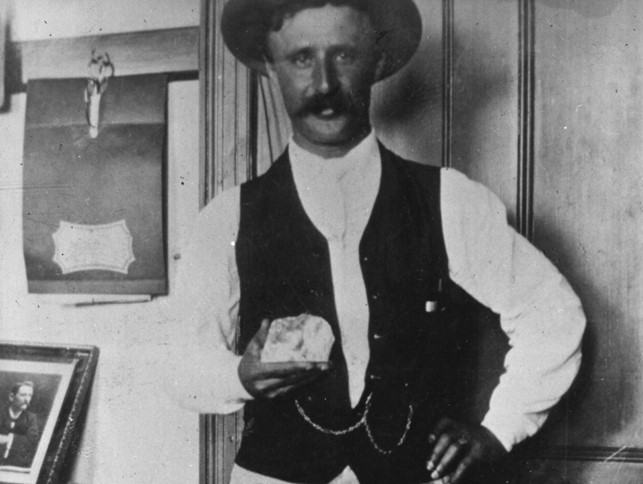
Its discovery occurred in January 1905, in the Premier mine, located in the Pretoria region of South Africa. This monumental jewel emerged from the depths of the earth as one of nature’s greatest wonders, weighing an impressive 3,106 carats.

The discovery of the Cullinan Diamond was an epochal event in the world of diamonds. The owner of the mine, Thomas Cullinan, was present at the time of the discovery and gave his name to the jewel. The impressive size and crystal clarity of the diamond amazed the entire world, attracting the attention of kings, queens and magnates around the world.

The management of the precious stone immediately became a matter of great strategic importance. The British government, in control of the South African colony at the time, decided to acquire the diamond to ensure that it did not fall into the hands of foreign powers and to protect its economic value. The Cullinan Diamond was then presented to King Edward VII as a state gift in 1907.

The crafting of the Cullinan Diamond required extraordinary precision and craftsmanship. In 1908, the diamond was entrusted to the famous diamond cutter Joseph Asscher and his team of experts in the city of Amsterdam. Cutting the diamond proved to be a titanic challenge, as one mistake could have irreparably compromised its value and beauty.

After months of meticulous work and attention to detail, Joseph Asscher managed to split the Cullinan Diamond into nine smaller diamonds, along with numerous smaller stones and fragments. The largest of the nine resulting diamonds, called “Cullinan I” or “Southern Star,” weighs 530.2 carats and is set in the British Royal Crown. Other fragments decorate royal jewels and royalty around the world, helping to keep the legend of the Cullinan Diamond alive.

Today, the Cullinan Diamond continues to be one of the greatest wonders of the diamond world, celebrated for its extraordinary beauty and historical significance. Its story is steeped in charm and adventure, and its light continues to shine in the hearts of all who admire its magnificence.

The Cullinan Diamond

The Koh-i-Noor, also known as the “Mountain of Light”, is one of the most iconic and compelling diamonds in history, full of mystery, fascination and controversy. Its history has roots in ancient India, where the gem is first mentioned in historical texts dating back over 5,000 years.

Legend has it that the diamond originated in the Golconda mines, in the region of present-day India. Its very name, Koh-i-Noor, means “Mountain of Light” in Persian, a testament to its extraordinary brilliance and beauty. Over the centuries, the Koh-i-Noor has passed through many hands, becoming a symbol of power, wealth and prestige.

One of the earliest known possessors of the Koh-i-Noor was the Raja of Malwa, who guarded it for a time before the gem passed to the sultan of Delhi, from whom it was subsequently stolen by the Persian conqueror Nadir Shah in 1739. The gem was then transferred to Iran, where it remained until 1813, when the British general Malcolm obtained it as part of a peace treaty.

The history of the Koh-i-Noor takes a significant turn when, in 1849, after the defeat of the Sikh dynasty, the diamond was captured by British forces and presented to Queen Victoria as part of the war spoils. Since then, the Koh-i-Noor has become part of the British Crown Jewels.

However, the gem has been the subject of controversy and requests for its return by various countries, including India, Pakistan and Afghanistan, who consider the Koh-i-Noor a national symbol and call for its return to their lands of origin.

Currently, the Koh-i-Noor is displayed at the Tower of London as part of the British Crown Jewels, where it continues to attract great interest and admiration from visitors from around the world. Its compelling history and timeless beauty make it one of the most celebrated and discussed diamonds in human history, a witness to past eras and different cultures.

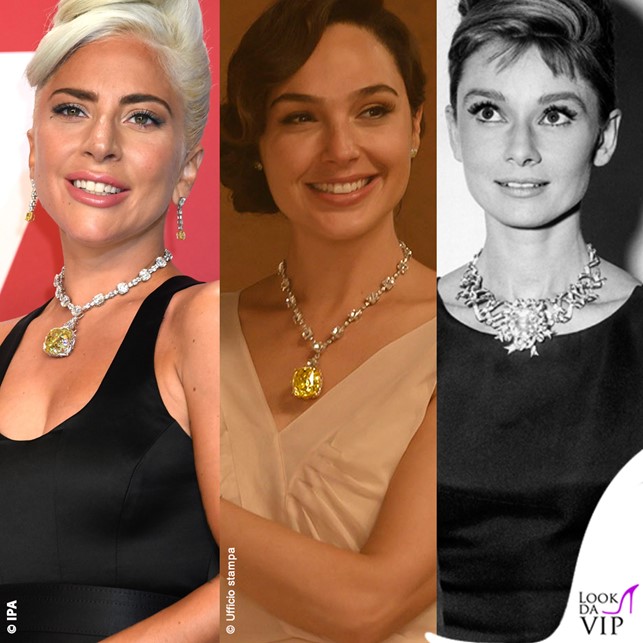
Tiffany Yellow Diamond

The Yellow Tiffany Diamond

Its history has its roots in the resource-rich land of South Africa, where it was discovered in 1877, during the period of the epic gold and diamond rush that characterized the era.

This rare jewel, weighing an impressive 128.54 carats, immediately caught the attention of jewelry experts and enthusiasts around the world for its bright yellow color and crystalline purity. The Yellow Tiffany Diamond represents an extraordinary example of the natural beauty of diamonds, with its light shining like a ray of sunshine set in the earth.

After its discovery, the Yellow Tiffany Diamond was purchased by the famous jeweler Charles Lewis Tiffany, founder of the legendary jewelry house Tiffany & Co. in New York. Tiffany, with his expert eye for beauty and elegance, immediately recognized the extraordinary value of this gem and decided to add it to his world-class jewelry collection.

The Tiffany Yellow Diamond was then transformed into a jewelery masterpiece, set in a sumptuous necklace that enhanced its unparalleled beauty and splendor. Since then, the jewel has become a major attraction at Tiffany & Co. in New York, where it continues to inspire and fascinate jewelery lovers around the world.

Its luminous presence and charm make it one of the most desired and admired gems, testimony to the craftsmanship and timeless beauty of diamonds. The Tiffany Yellow Diamond is much more than just a jewel; it is a symbol of elegance, sophistication and style, and its sparkle continues to illuminate the world of jewelry with its eternal beauty.

These are just a few examples of the most important and fascinating diamonds in the world. Each jewel has a unique story to tell, testimony to past eras and different cultures. Their splendor and beauty continue to enchant and inspire generations of people around the world. Whether you are a jewelry enthusiast or simply fascinated by the beauty of nature, there is always something magical about diamonds that captures and enchants us.

The creation of the Diamond Lab Grown


The Creation of the Diamond Lab Grown

Your lab-grown diamond is chemically identical to every other diamond on earth. However, instead of mined diamonds, which formed underground billions of years ago, the diamond was grown under controlled laboratory conditions using sophisticated chemical synthesis methods. There are two specific approaches to creating diamonds:

Chemical Vapor Deposition (CVD)

The chemical vapor deposition (CVD) process releases carbon from the plasma. This involves superheating the hydrocarbon gas in a vacuum to a temperature of between 3,000 and 4,000°C, at which point the carbon atoms begin to separate from their molecular bonds. These atoms drop down and land on a flat wafer of previously grown synthetic diamond and grow in vertical layers. This substrate is square for jewelry applications, but the shape may vary for other applications in medicine, communications and technology.

how to create lab grown diamond
lab grown rough diamonds

High Pressure, High Temperature (HPHT)

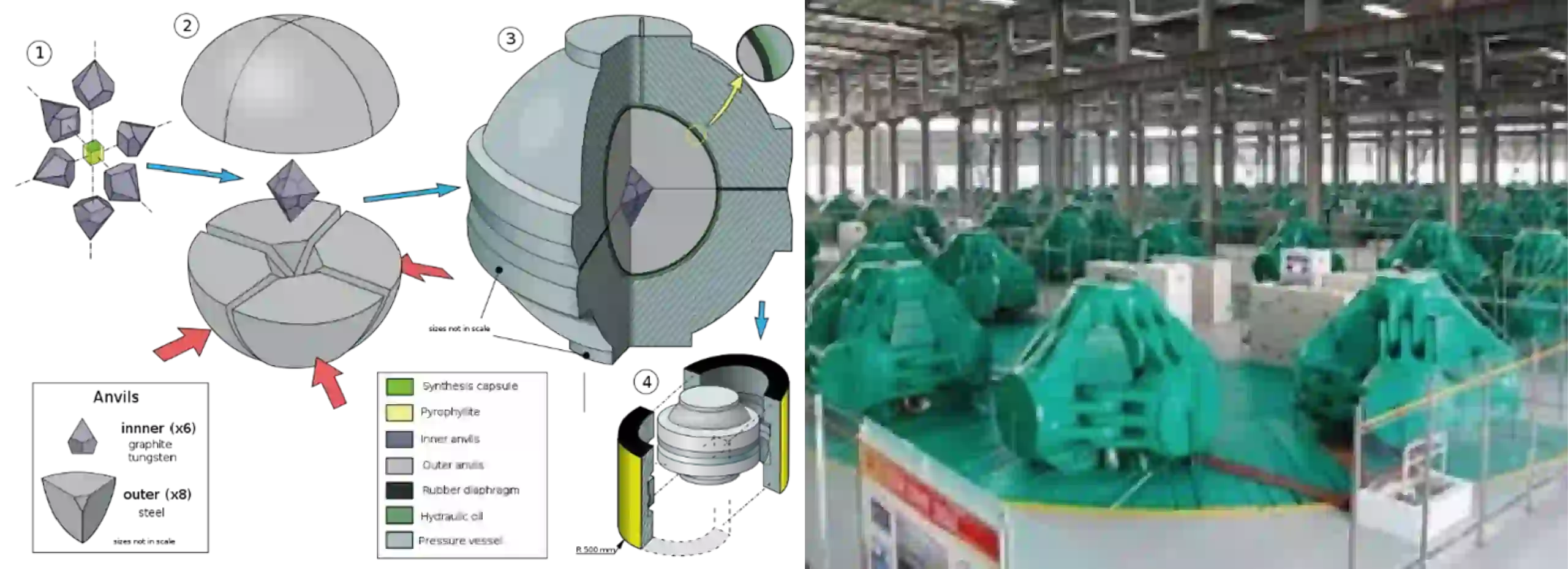
The HPHT (High Pressure High Temperature) process replicates the natural conditions in which diamonds formed 100 miles below the surface due to subduction. A carbon source, a diamond seed and a metal catalyst enter an octahedral cell. The cell is inserted into a huge mechanical press where the contents are heated to around 1,500 C and subjected to staggering pressure. The melting metal dissolves the carbon and the pressure causes precipitation on the diamond seed, causing a larger diamond to grow. The level of pressure from these immense presses has been compared to what you would experience if you were balancing a jumbo jet on your fingertip.

Rough to polish

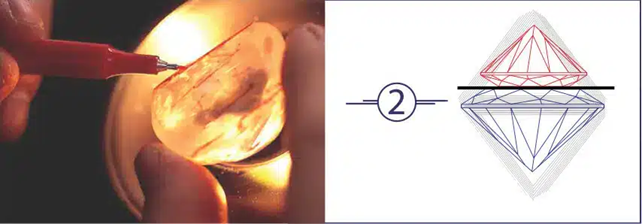
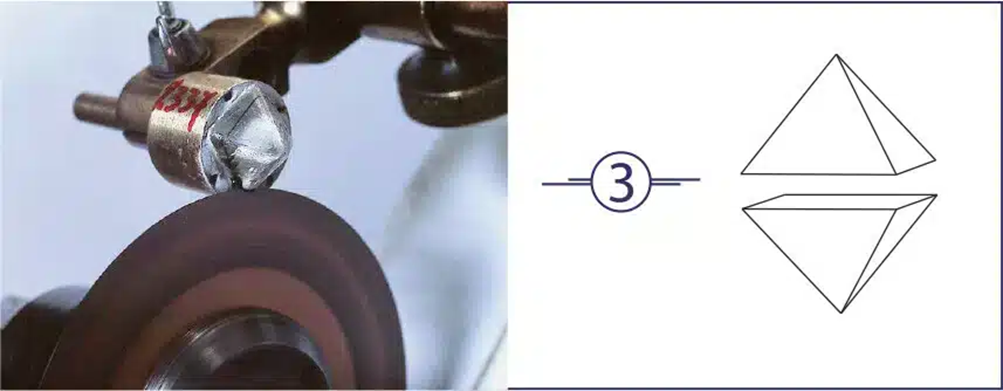
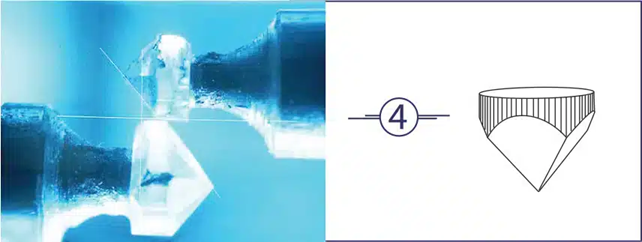
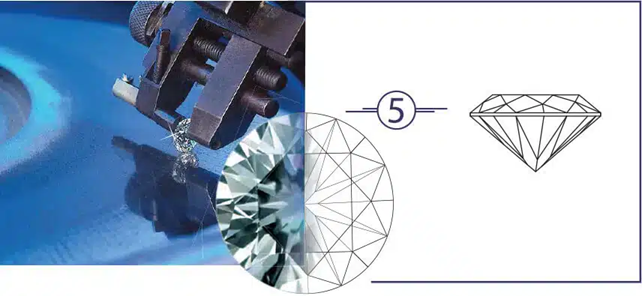
Diamond cutting is the art, skill and science of transforming a rough crystal into a polished, faceted diamond. As the hardest material known to man, cutting and shaping a diamond requires specialized knowledge, tools and skills.

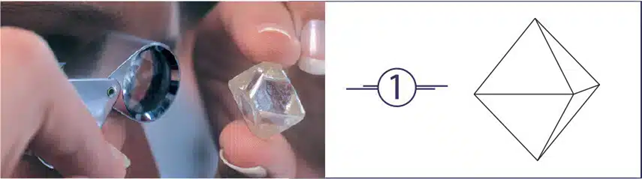
1) Planning: This rough octahedron crystal is studied and its growth directions and inclusions are mapped.

lab grown rough diamonds

2) Marking: Once the plane has been determined, the glass is marked for primary sawing.

lab grown rough diamonds

3) Sawing: A carbon fiber blade coated with diamond grit makes the first cut. It will take several hours to saw this crystal into two pieces; each of which will become a polished diamond.

lab grown rough diamonds

4) Bruting: The two pieces rotate in opposite directions, rubbing against each other to smooth the edges and create a round outline.

lab grown rough diamonds

5) Polishing: A rotating wheel coated with diamond grit is used for clamping, cross-machining and polishing, the process of positioning, shaping and smoothing of all facets until final polishing.

lab grown rough diamonds

6) Inspection: Once finished, the diamond is carefully boiled in acid and examined to ensure it meets the manufacturer’s quality expectations and standards.

lab grown rough diamonds

lab grown rough diamonds

Diamond classification

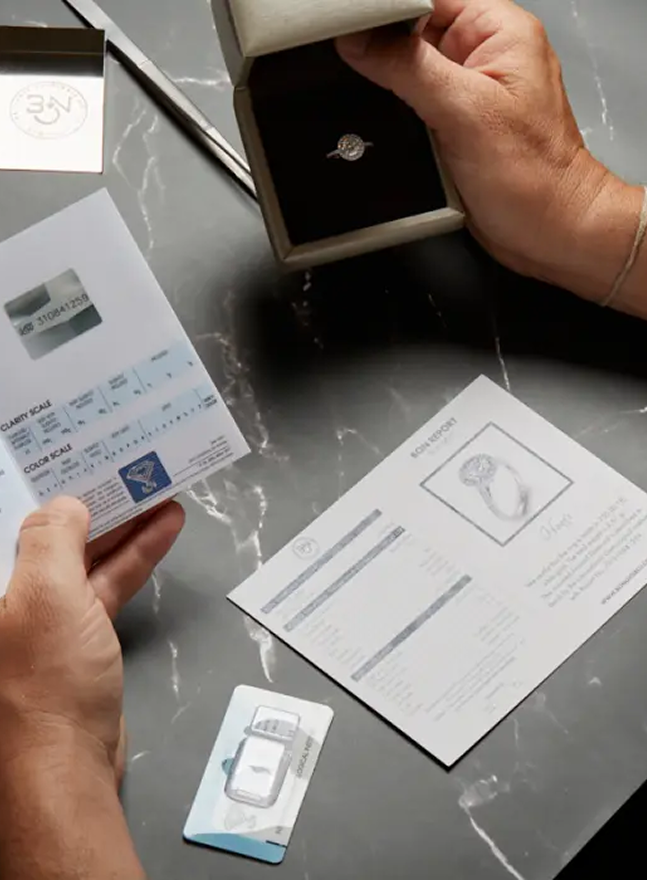
After the diamond cutting process and before being sold loose or set in jewelry, diamonds are generally subjected to gemological institutes such as the IGI for quality assessment. Four main factors are taken into consideration when judging the quality and value of a diamond. They are the 4Cs of the diamond: Carat Weight, Color, Clarity and Cut.

IGI examines each diamond using cutting-edge technology to determine natural, lab-grown or simulant origin. Experienced graduate gemologists conduct further evaluations under controlled conditions, detailing the relevant gemological characteristics according to the most rigorous international system.

Classification of Diamonds

After the diamond cutting process and before being sold loose or set in jewelry, diamonds are generally subjected to gemological institutes such as the IGI for quality assessment. Four main factors are taken into consideration when judging the quality and value of a diamond. They are the 4Cs of the diamond: Carat Weight, Color, Clarity and Cut.

IGI examines each diamond using state-of-the-art technology to determine its natural, lab-grown or simulated origin. Experienced graduate gemologists conduct further evaluations under controlled conditions, detailing the relevant gemological characteristics according to the most rigorous international system.

Uniquely Yours

Your diamond is exceptional and distinctive. No two diamonds are alike. Yet all diamonds have some characteristics in common that allow experts to compare and evaluate them.

The name diamond comes from the ancient Greek “adamas” which means unbreakable, wild and invincible. Diamonds have been prized as gemstones ever since they were discovered. In our modern age the word “diamond” continues to evoke images of elegance, style and glamour.
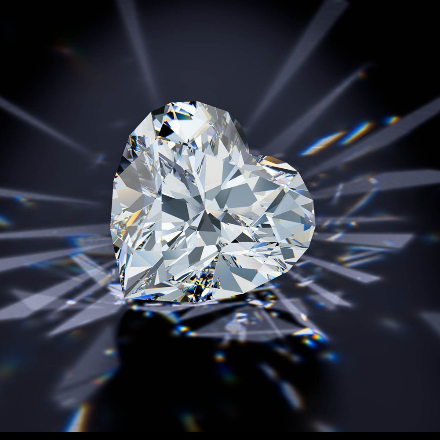
The name diamond comes from the ancient Greek “adamas” which means unbreakable, wild and invincible. Diamonds have been prized as gemstones ever since they were discovered. In our modern age the word “diamond” continues to evoke images of elegance, style and glamour.
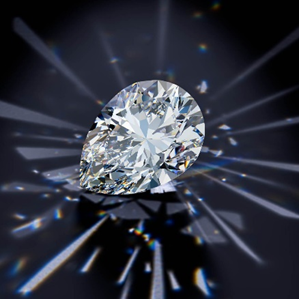
The diamond lab grown shines and dazzles. The diamond symbolizes purity and strength. And the story of your diamond is uniquely yours.

We thank the IGI Institute in Antwerp for the informative and photographic material made available.
We look forward to being by your side in this special time. Contact us today!
Follow us: Instagram, Facebook, TikTok.
Exploring the Symbolism of Different Cuts of Diamonds in Engagement Rings

Exploring the Symbolism of Different Cuts of Diamonds in Engagement Rings

diamond shapes

Engagement rings are much more than just jewellery. They represent love, commitment and promises of a future together. Every aspect of an engagement ring, including the cut of the diamond, carries with it a deep and unique meaning. In this article, start with us to discover the symbolism behind the different cuts of diamonds in engagement rings and how they reflect the various facets of love and relationship between two people.
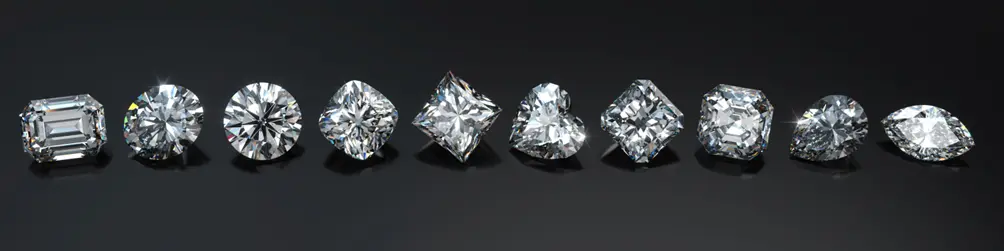
Let’s begin our journey to discover the 10 main diamond cuts!

Round Brilliant Cut

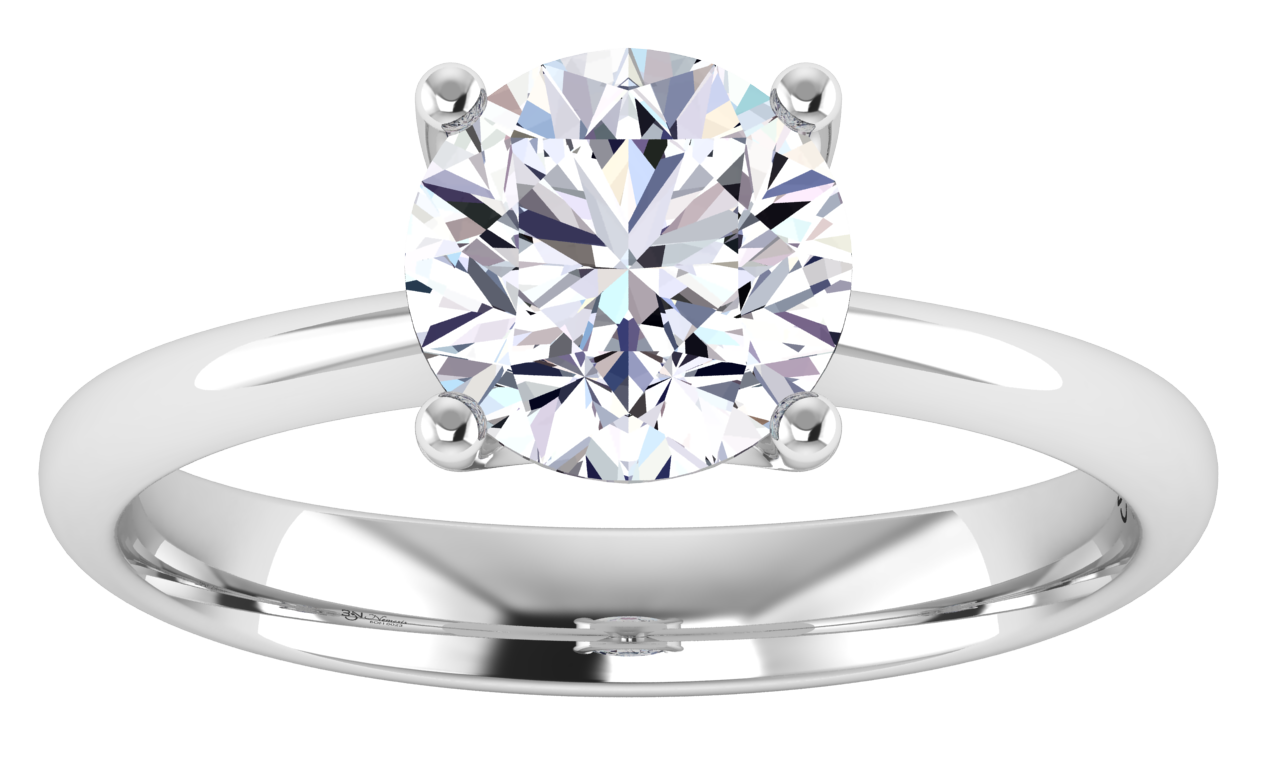
Engagement Rings with Diamond Round Brilliant Cut

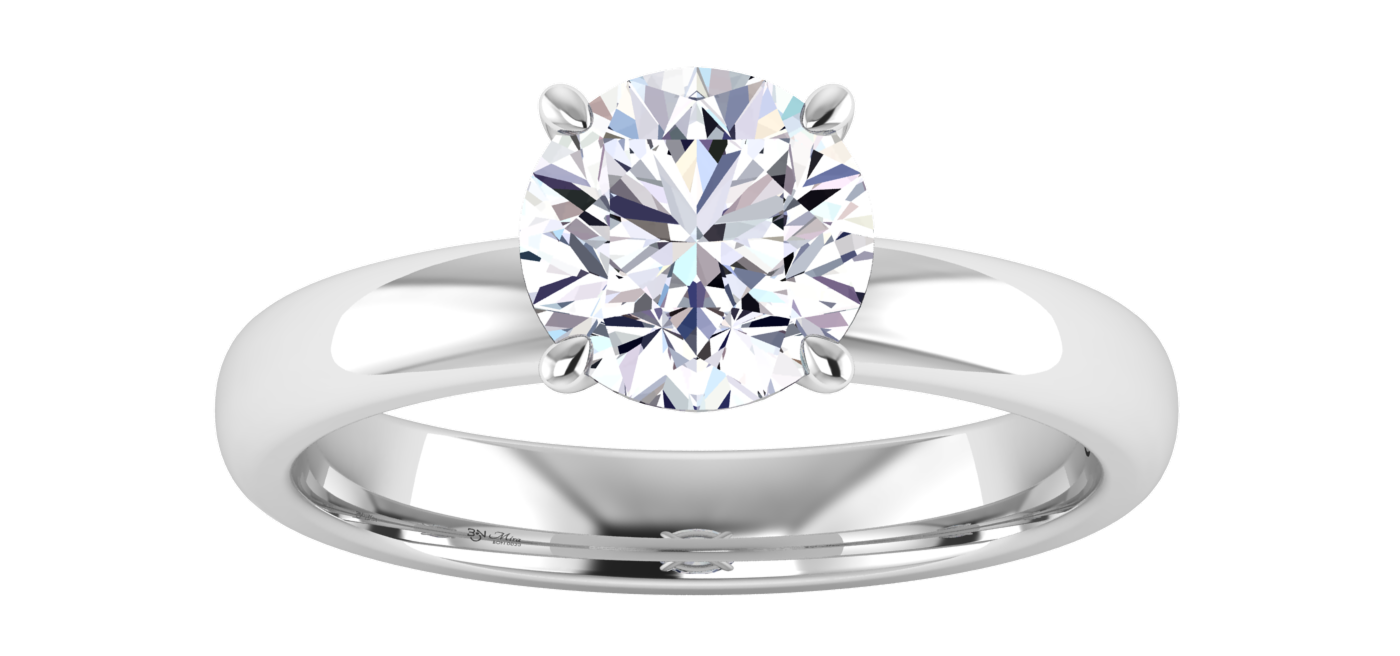
The round brilliant cut is the most popular of engagement rings, and for good reason. Its circular shape represents eternity and infinity, without beginning or end. Thus symbolizing a love without limits. This cut reflects light exceptionally, creating an explosion of brilliance that represents the brightness and joy that love brings to a couple’s life.

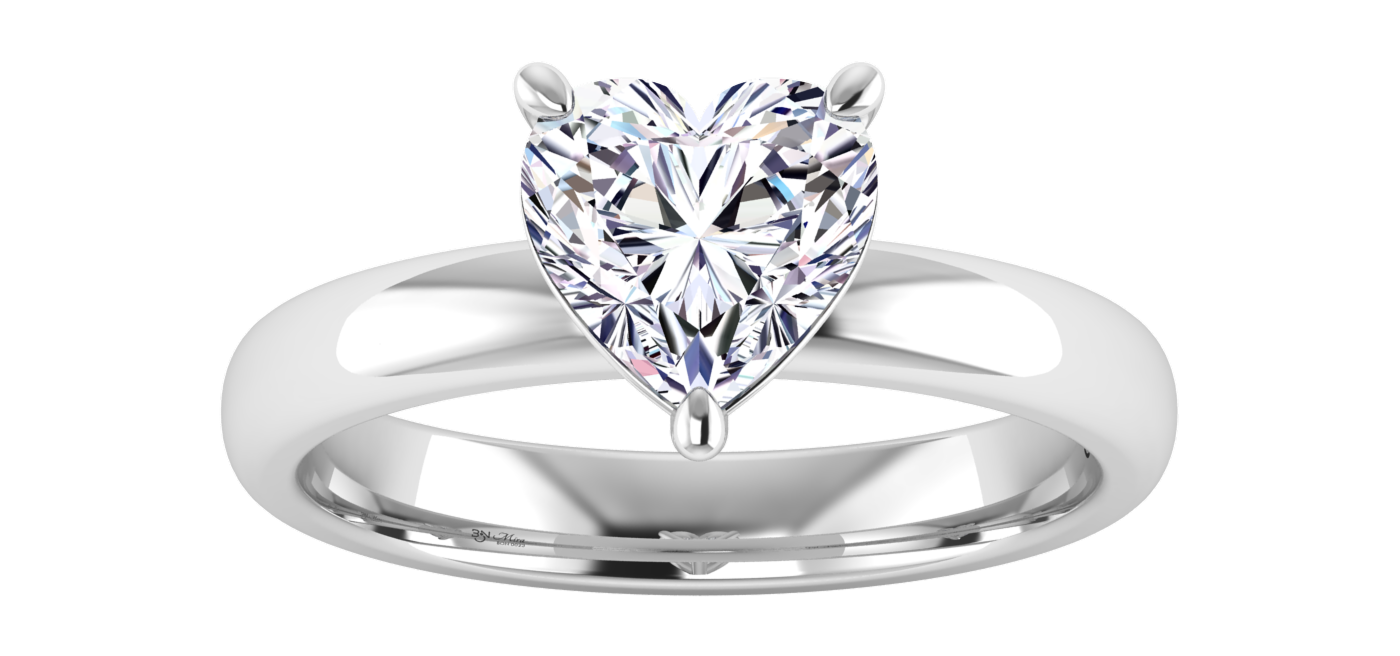
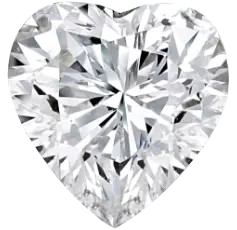
Heart Brilliant Cut

The heart cut is an icon of romantic and passionate love. Its heart shape symbolizes the very essence of love, with two halves coming together to form a single entity. This cut reflects the depth of feelings and generosity of the soul that characterize a relationship based on affection and mutual dedication.

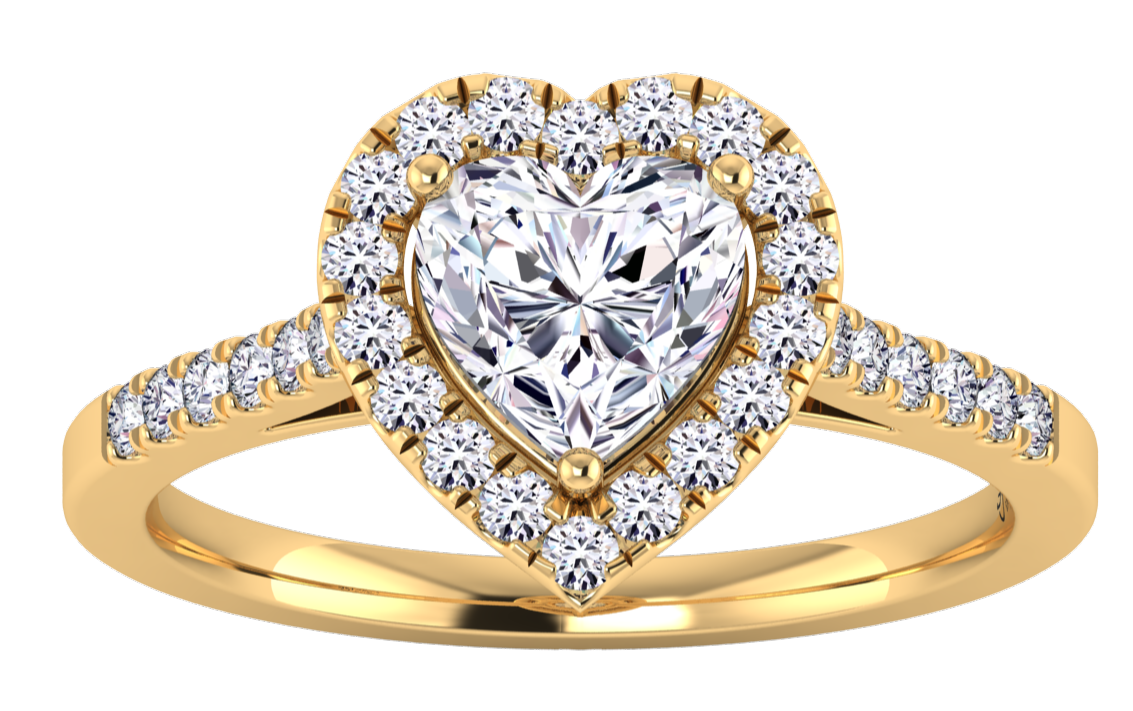
Heart Brilliant Cut Diamond Engagement Rings
Pear Brilliant Cut Diamond Engagement Rings

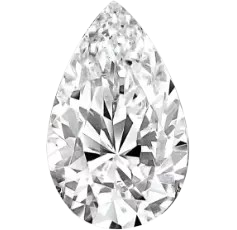
Pear Brilliant Cut

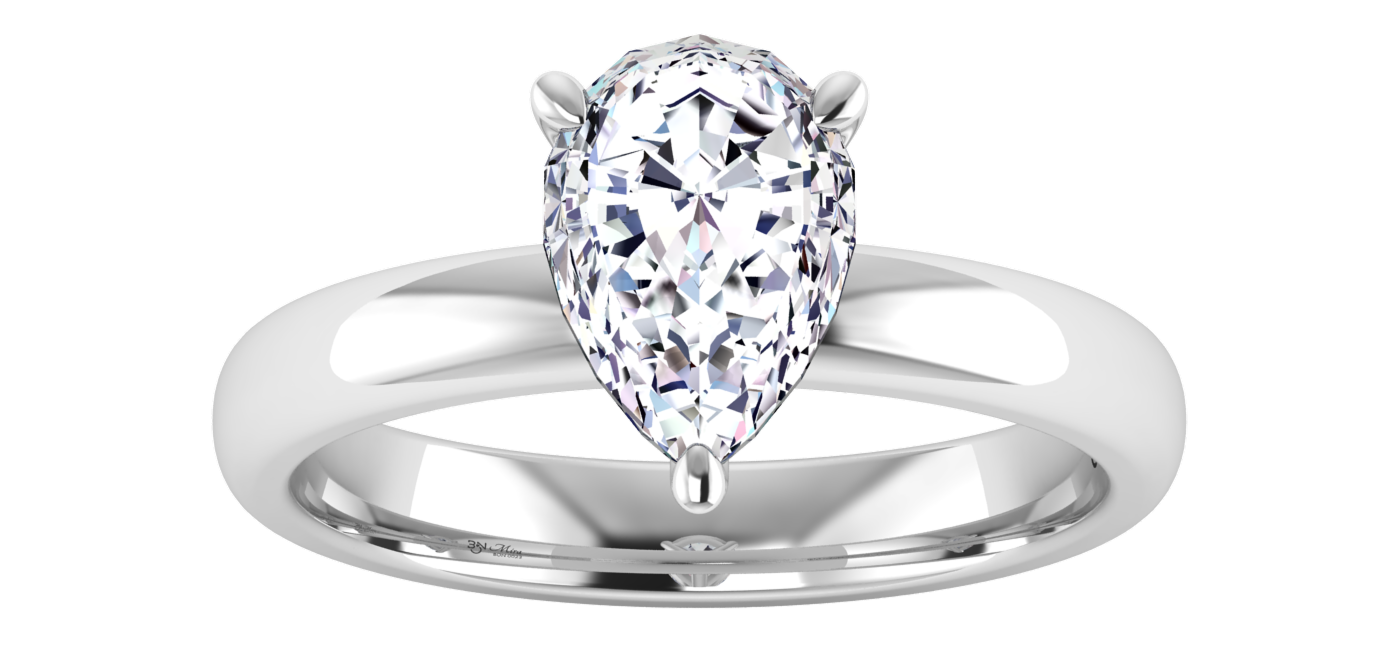
The pear cut with its pear shape represents the uniqueness and singularity of a special love. This cut symbolizes the grace and elegance of a relationship that flows smoothly and harmonious. Its single facet reflects light delicately, evoking a sense of mystery and fascination around the love shared between two people.

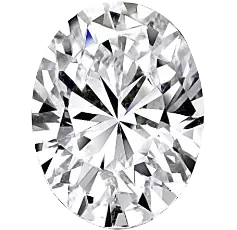
Oval Brilliant Cut

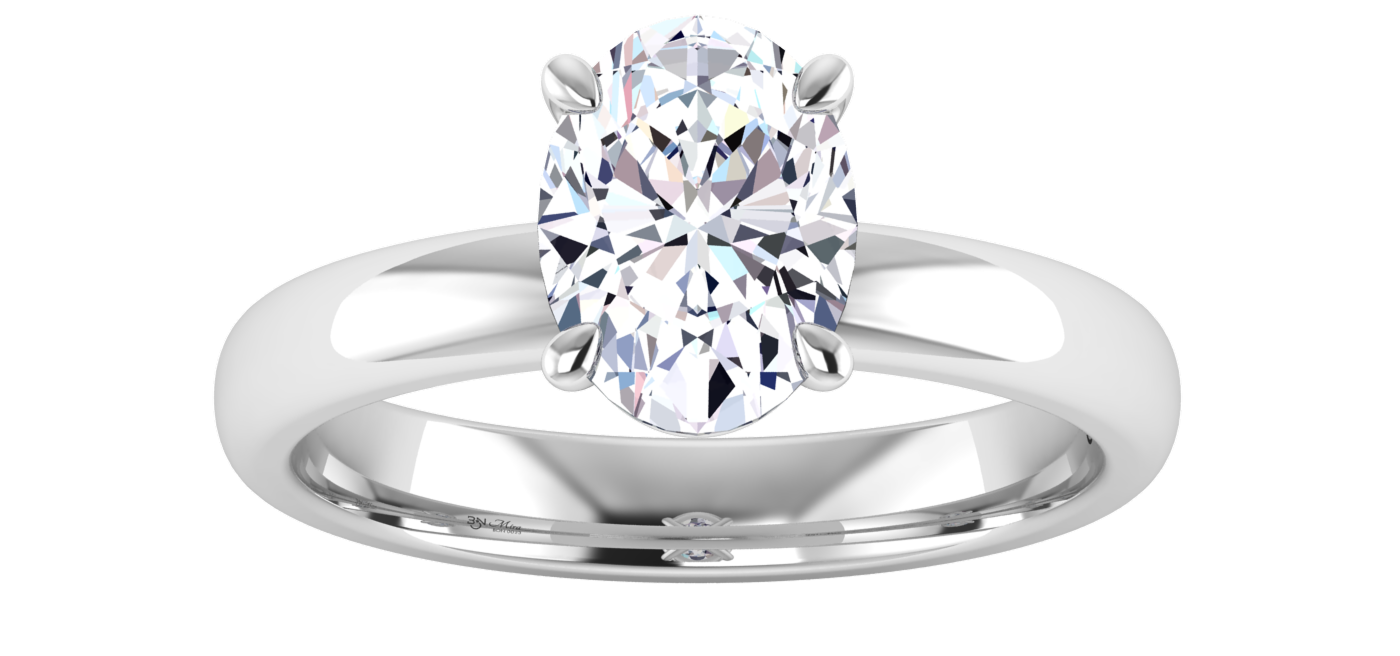
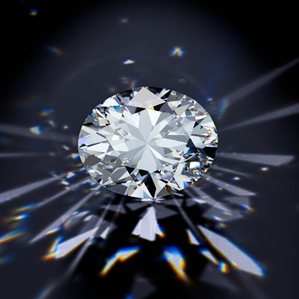
The oval cut, with its elongated and elegant shape, symbolizes harmony and balance in a relationship. This cut also represents the continuity and fluidity of time, with the infinite cycle of days and nights following one another without interruption. His facets reflect the light delicately, evoking a sense of calm and serenity that characterizes a stable and lasting love.

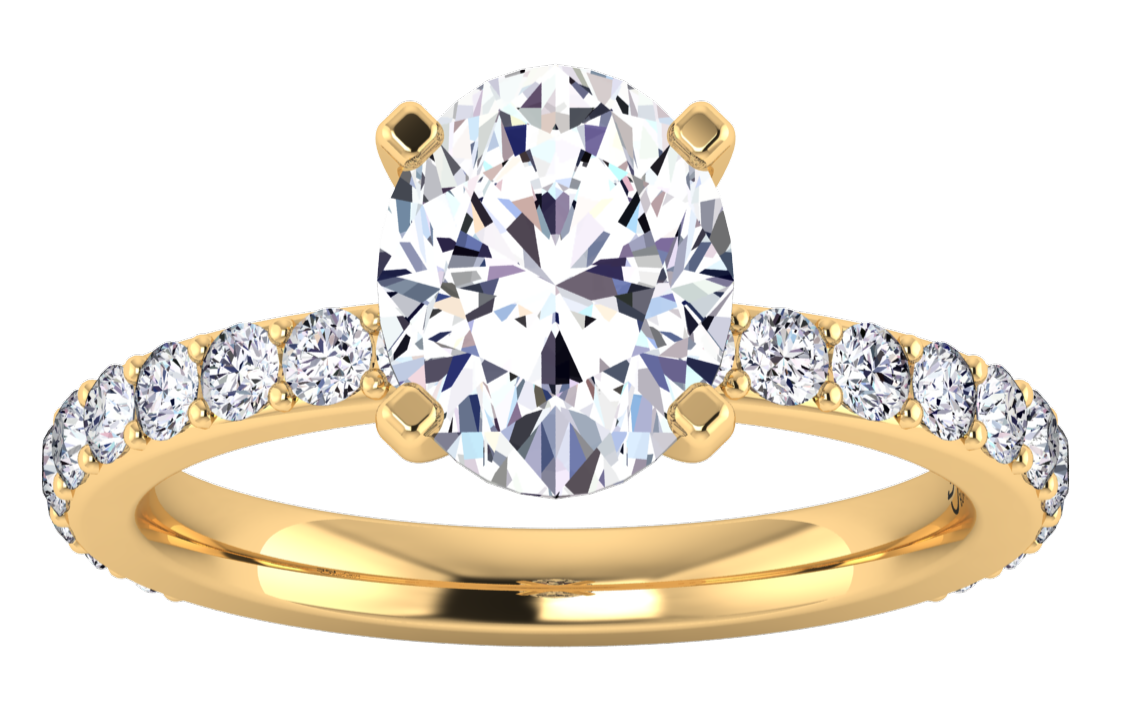
Oval Brilliant Cut Diamond Engagement Rings
Cushion Brilliant Cut Diamond Engagement Rings

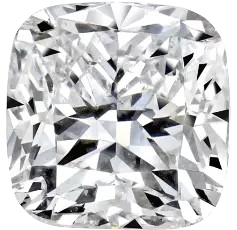
Cushion Brilliant Cut

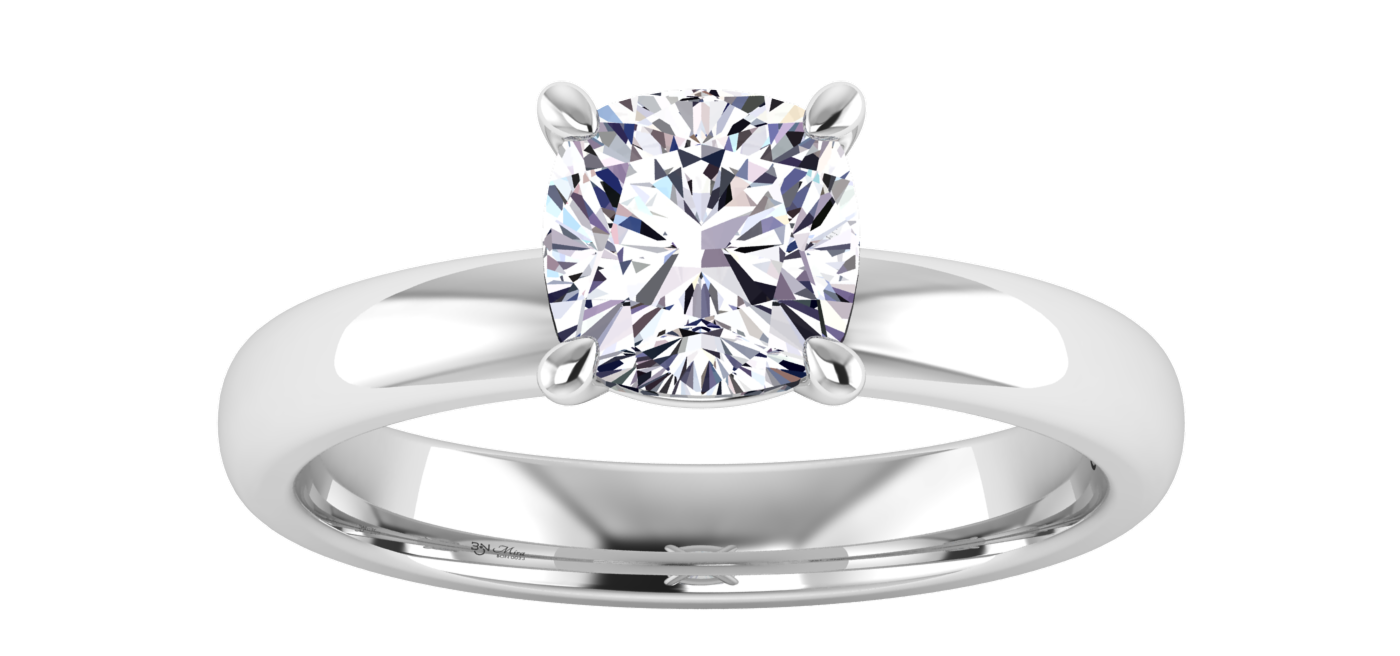
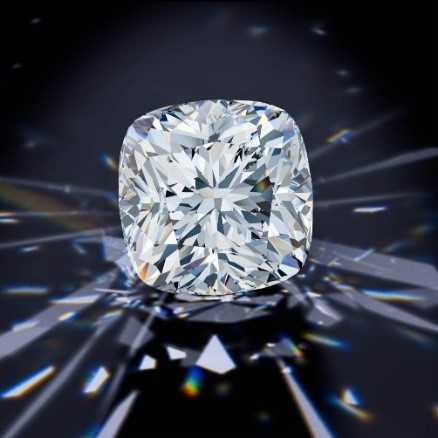
The cushion cut, with its soft curves and delicate contours, represents the comfort and security a couple finds in each other. Its facets generate an effect of candor and warmth, symbolizing the softness and tenderness that characterize a relationship full of affection and affinity.

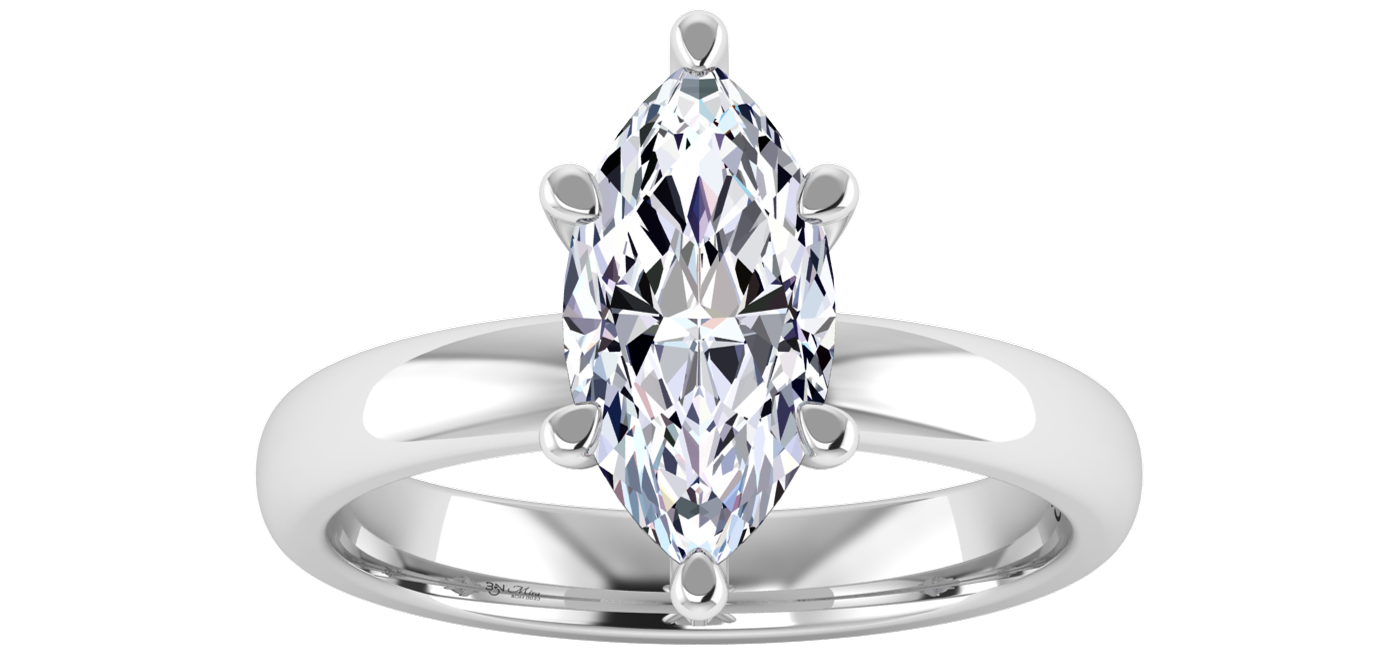
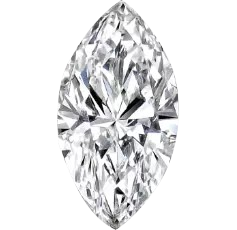
Marquise Brilliant Cut

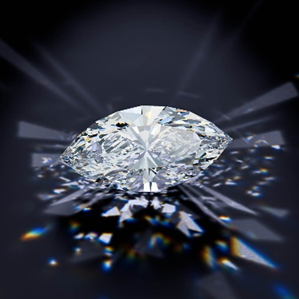
The marquise cut is bold and distinctive, with its elongated shape and pointed ends. This cut symbolizes the passion and adventure that characterizes a passionate and vibrant relationship. Her facets reflect the light in a fiery way, representing the fire and vitality of overwhelming love.

Marquise Brilliant Cut Diamond Engagement Rings
Emerald Brilliant Cut Diamond Engagement Rings

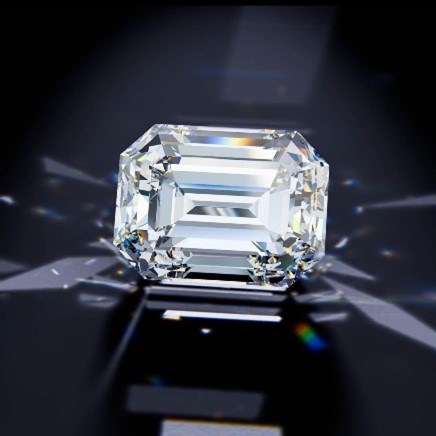
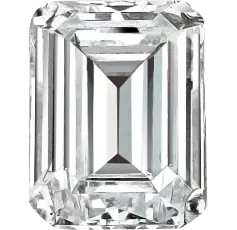
Brilliant Emerald Cut

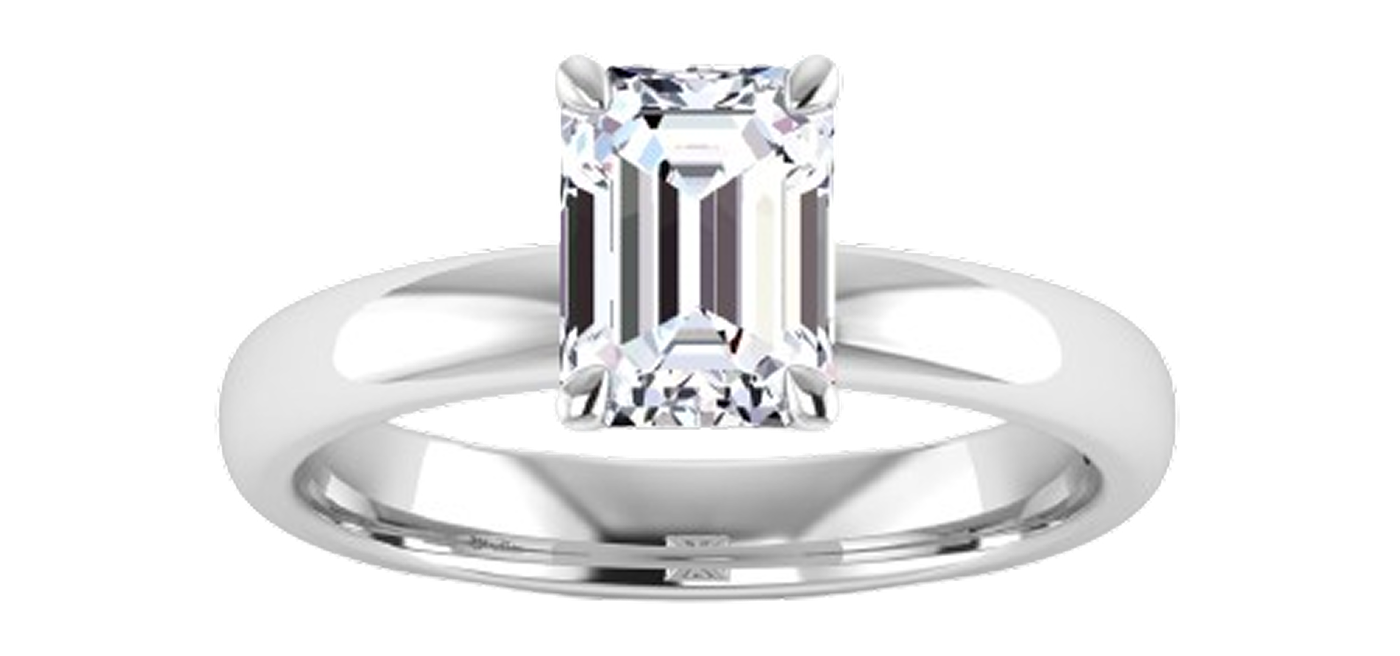
The emerald cut is characterized by timeless elegance and understated beauty. Its elongated facets create a view into the diamond itself symbolizing the depth and transparency of communication and understanding within a relationship. This cut also reflects the tranquility and stability of a mature and lasting love.

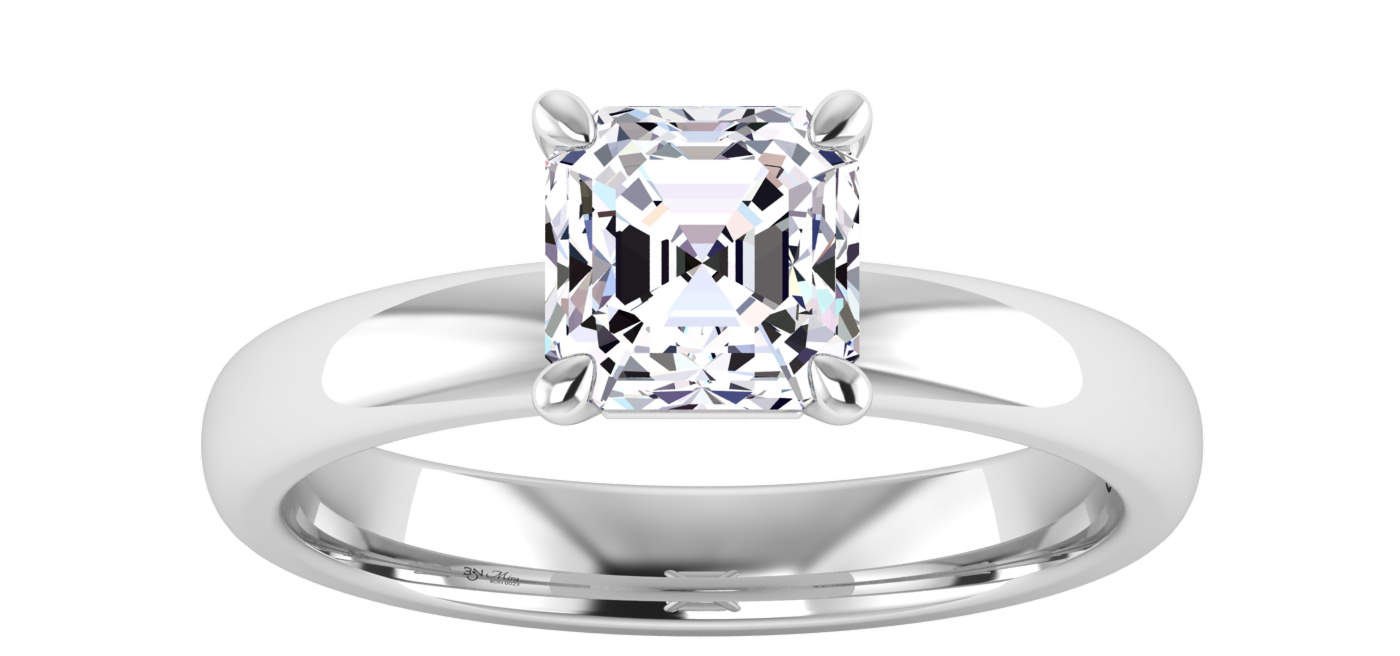
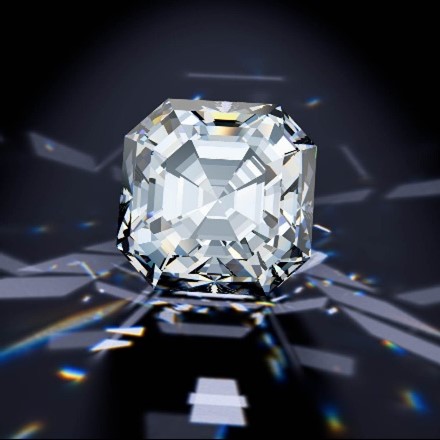
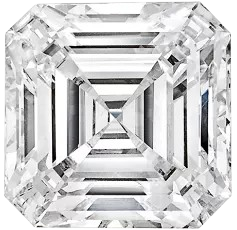
Brilliant Asscher Cut

The Asscher cut, with its stepped facets and square shape, evokes a sense of refined, retro elegance. This cut symbolizes the stability and solidity of a relationship based on trust and coherence. His facets create a sophisticated play of light, representing the depth and complexity of a love that strengthens over time.

Asscher Brilliant Cut Diamond Engagement Rings
Princess Brilliant Cut Diamond Engagement Rings

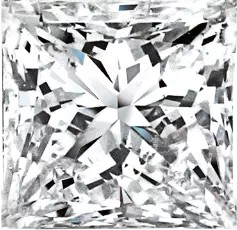
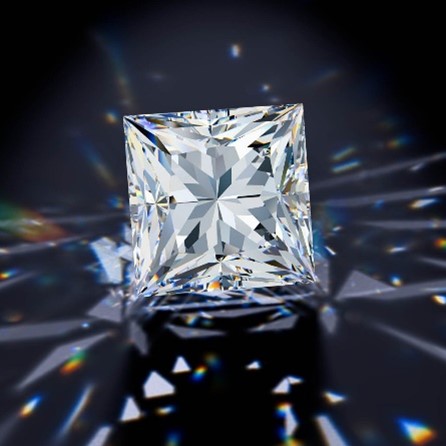
Princess Brilliant Cut

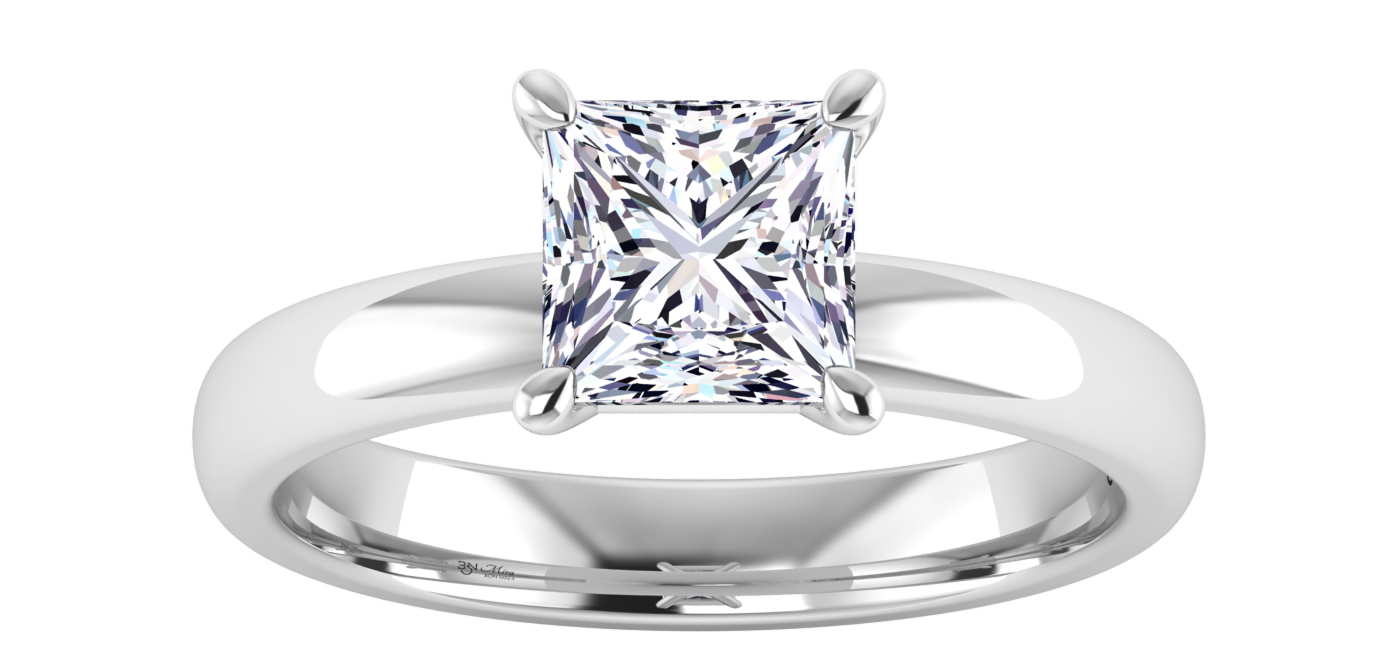
The princess cut features clean lines and sharp angles, creating a bold, modern look. This cut symbolizes the strength and determination of a couple in overcoming life’s challenges together. Her facets reflect light in a unique way, representing the ability of a relationship to make even the darkest moments shine.

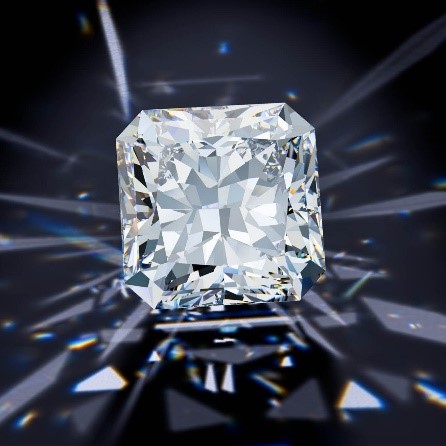
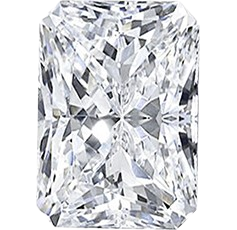
Radiant Brilliant Cut

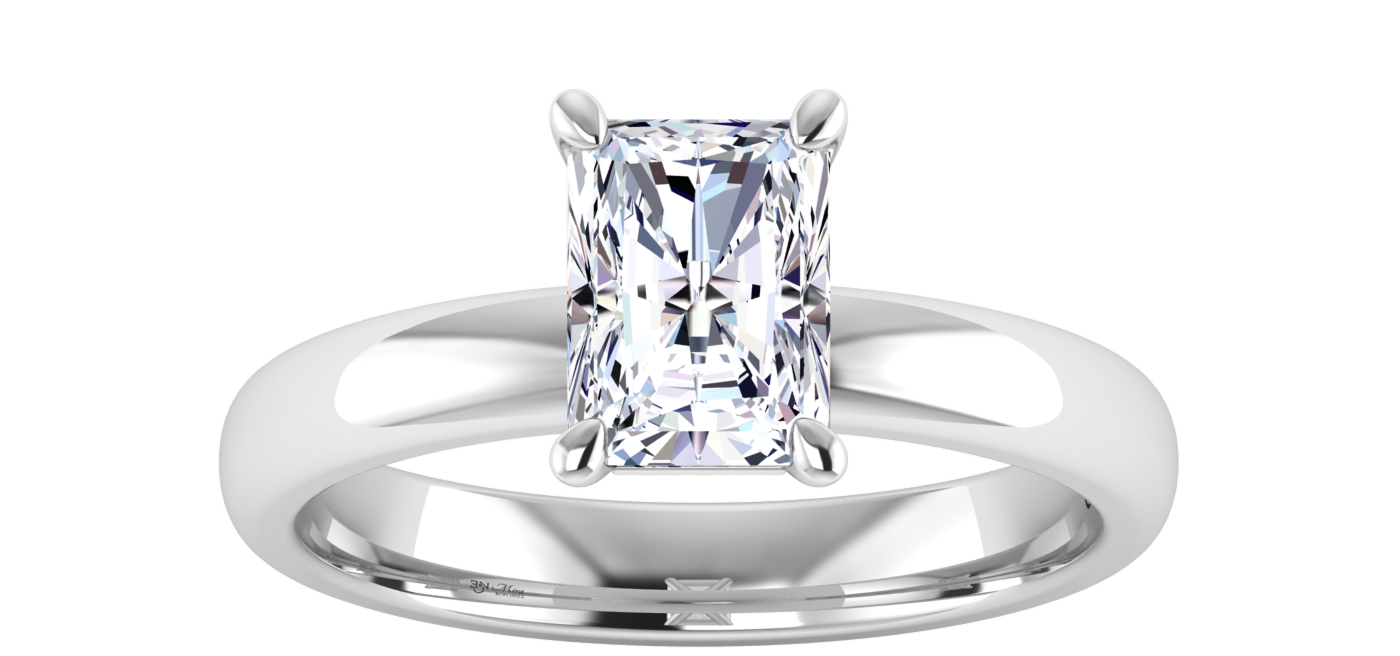
The radiant cut combines the brilliance of the round brilliant cut with the square or rectangular shape of the princess cut. This fusion of characteristics symbolizes the balance and harmony between tradition and modernity in a relationship. Her facets generate a spark of light that reflects the vitality and freshness of an ever-evolving love.

Radiant Brilliant Cut Diamond Engagement Rings

In conclusion, each diamond cut in engagement rings carries with it a unique meaning that reflects the different facets of love and relationship between two people. Whether it is an eternal and luminous love, a shared strength and determination, a lasting depth and tranquility, a priceless comfort and tenderness, a fiery and adventurous passion, a balance between tradition and modernity, a singularity romantic and charming, of passionate and romantic love, of lasting solidity and coherence or of stable harmony and balance.

What really matters is the special bond that unites two hearts. In an engagement ring this bond is celebrated and set in the eternal beauty of a diamond.

Follow us: Instagram, Facebook, TikTok.

Choose the Bon style : Brilliant, Original, New! Ps: the consultation with one of our experts is free of charge.